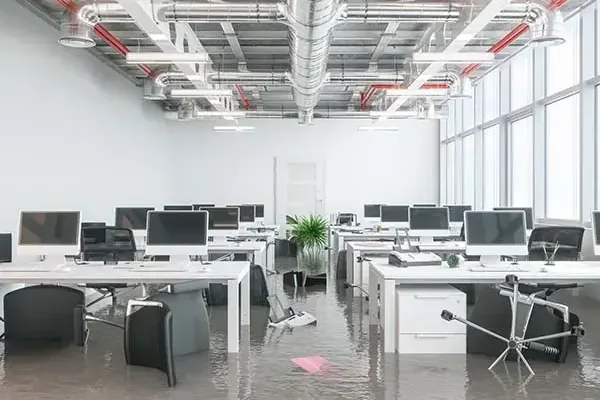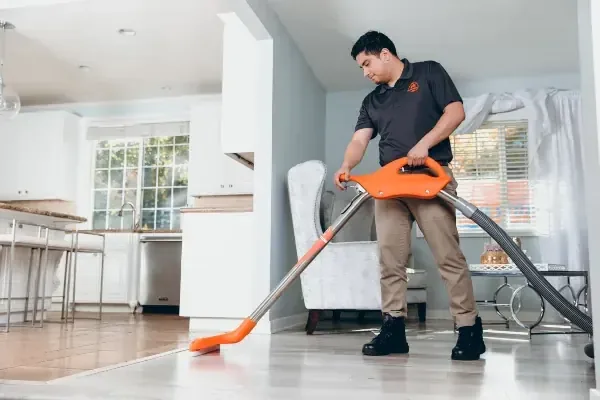
Water Extraction and Removal
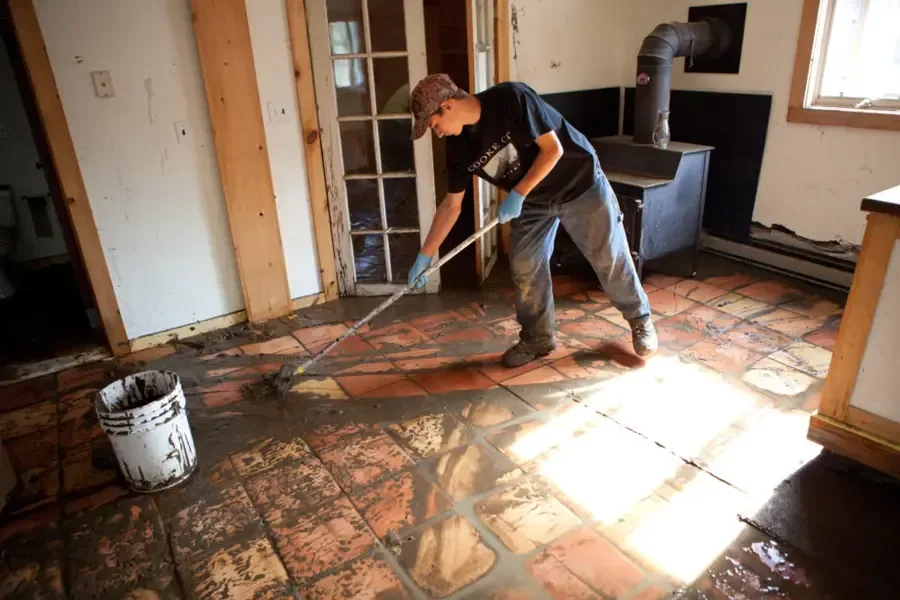
Truck-mounted and portable units pull standing water off floors and rugs before it wicks into walls.
See how it is handled ›Frozen and burst pipes, basement water, sewage backups and ceiling leaks between units in Jamaica Plain houses: the restoration team extracts the water, dries the structure to the IICRC S500 standard and documents every step for the claim.
Active water is treated as urgent at any hour, and the drying equipment stays until the readings say dry.
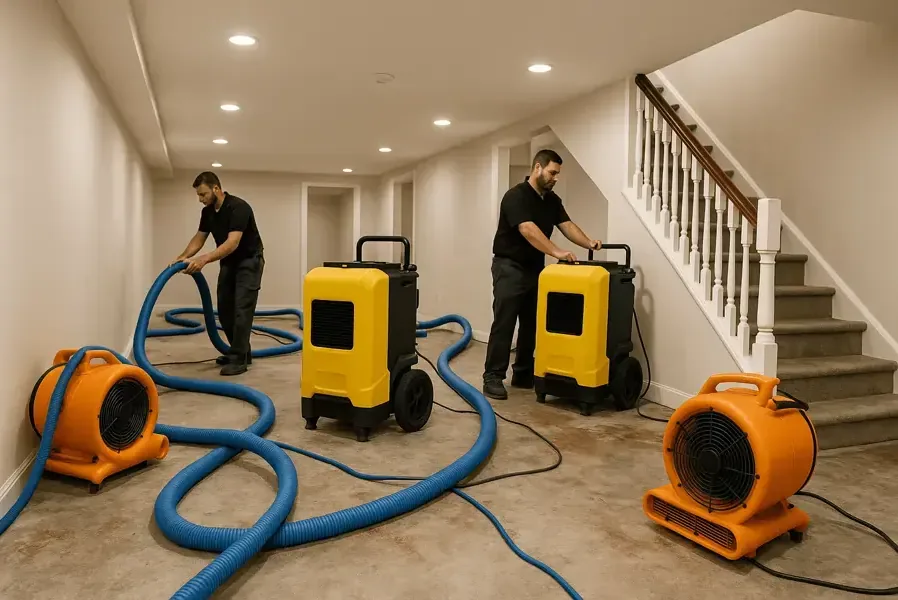
The neighborhood grew as one of the first streetcar suburbs in America, and triple-deckers spread across it in the 1890s. That leaves stacked units, plaster and lath walls, older basements and supply pipes that run through porches and outside walls, each of which holds water in its own way.
One call starts extraction, structural drying and the records an adjuster asks for. For a rough number first, try the water damage cost calculator, or read how frozen pipe water damage is handled from shutoff to final reading.
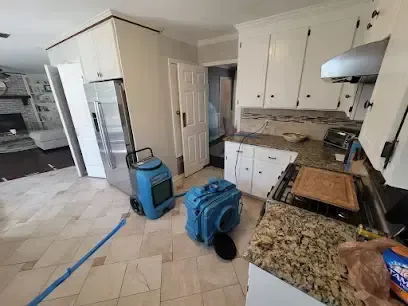
Water and sewage only, from emergency extraction to structural drying, for single-family houses, triple-deckers, condos and shops across southwest Boston, with 24/7 dispatch.
Truck-mounted and portable units pull standing water off floors and rugs before it wicks into walls.
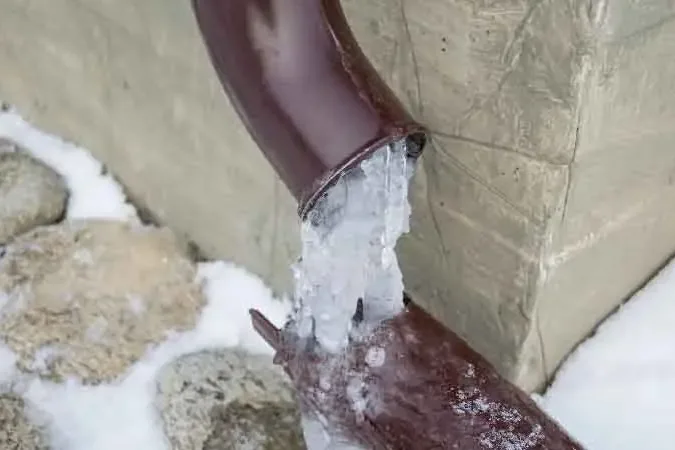
See how it is handled ›Split pipes in porches and outside walls, extracted and dried once the thaw lets the water run.
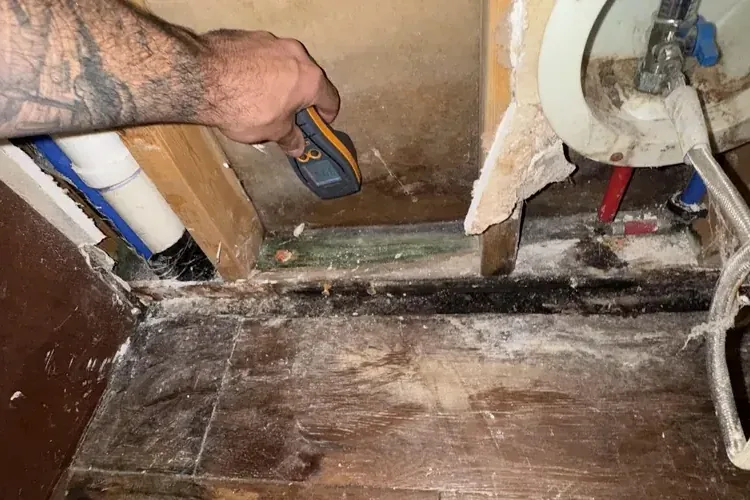
See how it is handled ›Pressurized supply failures inside walls and ceilings, shut down, extracted and dried cavity by cavity.
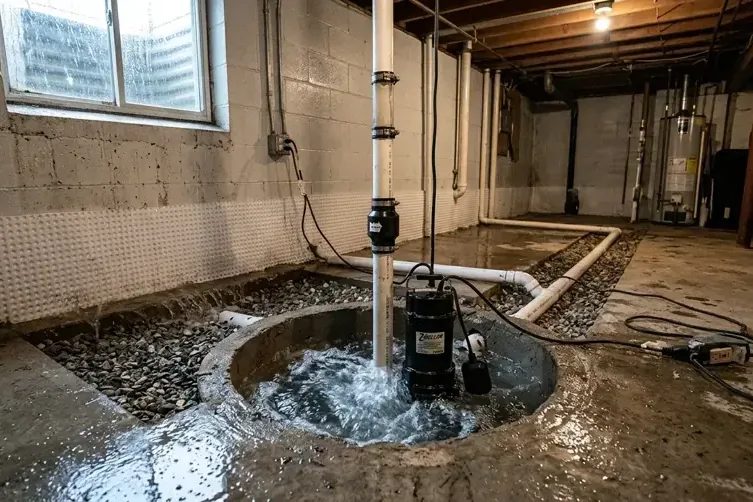
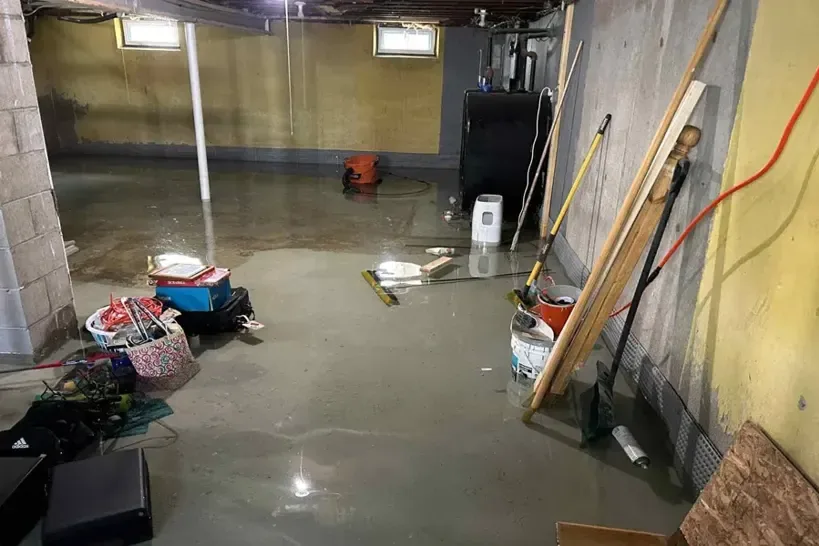
See how it is handled ›Water across fieldstone, block and poured basements pumped out and the walls and floor dried.
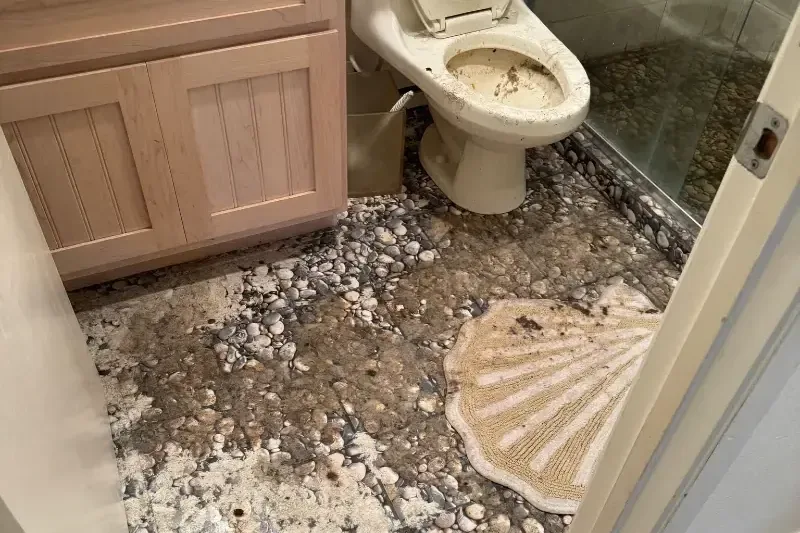
See how it is handled ›Floor drain and toilet backups treated as Category 3, porous materials removed, surfaces disinfected.
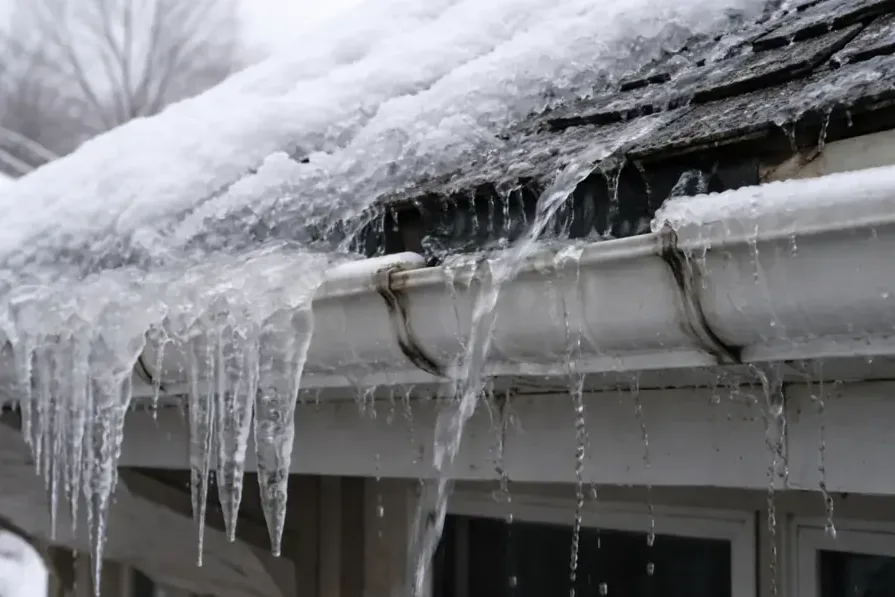
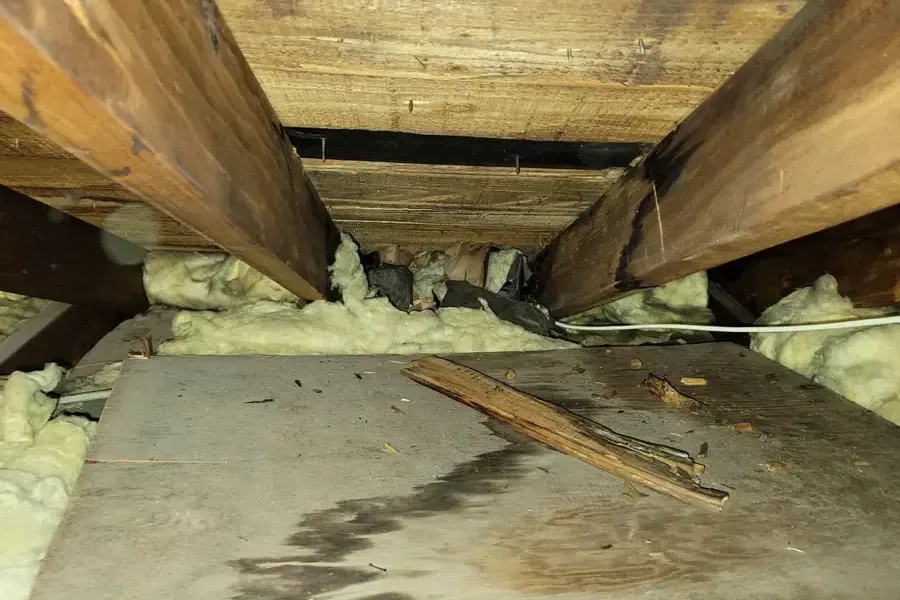
See how it is handled ›Meltwater pushed under shingles at the eaves, wet attic insulation pulled and top-floor ceilings dried.
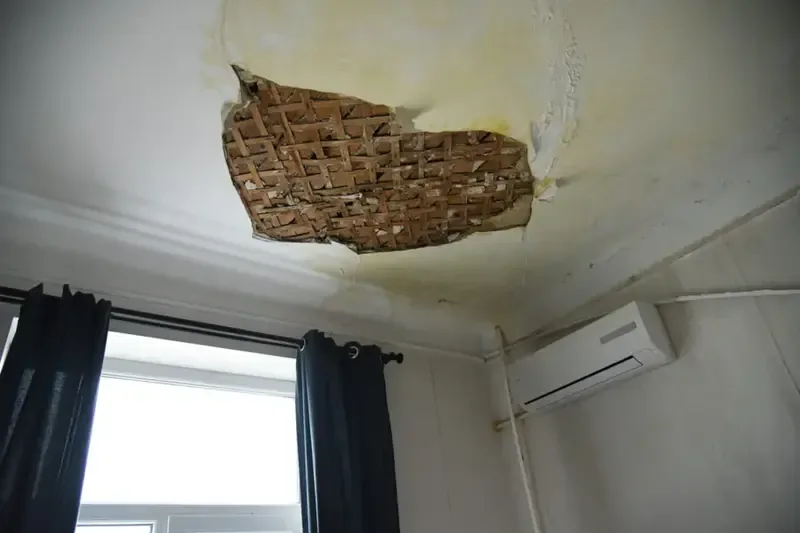
See how it is handled ›Leaks from the unit or bath above traced through plaster and lath and the joist bays dried.
See how it is handled ›Flashing, chimney and flat-roof leaks dried out from the attic down to the rooms below.
See how it is handled ›Nor'easter rain and street runoff treated as contaminated water, extracted and dried.
See how it is handled ›Overflowing pits and pumps that quit in an outage, the basement extracted before water spreads.
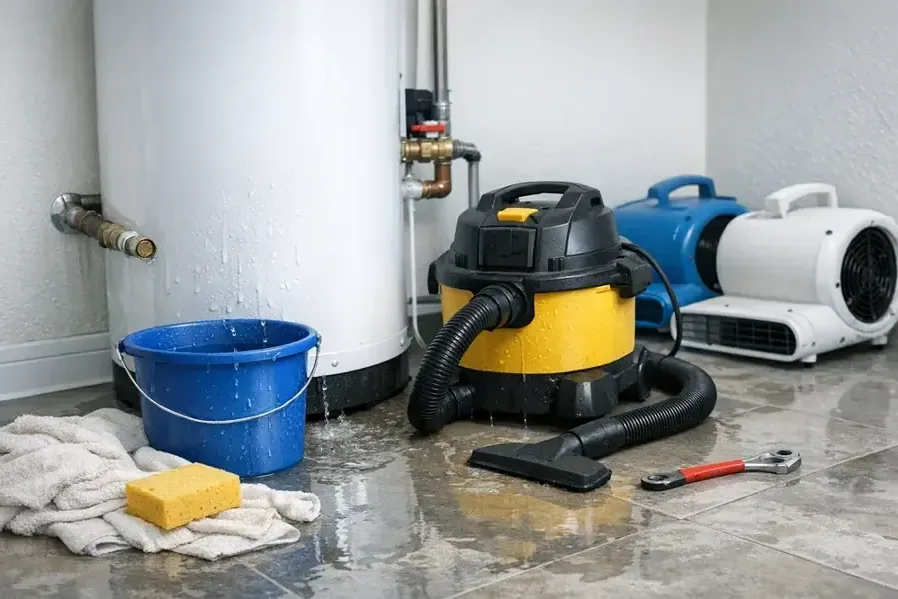
See how it is handled ›Tank and fitting failures in basements and closets cleaned up before stored boxes soak through.
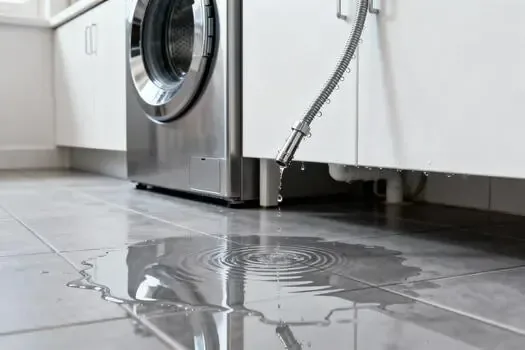
See how it is handled ›Washer, dishwasher, fridge line and toilet supply leaks dried out of floors and cabinets.
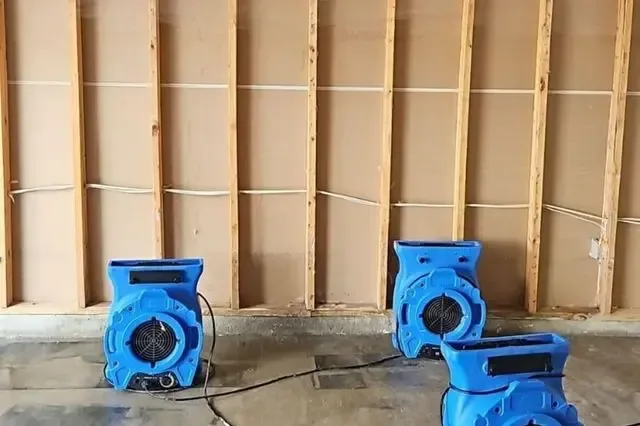
See how it is handled ›Framing, subfloor, plaster and masonry dried to within 2 to 4 points of a dry reference.
See how it is handled ›Shops, offices, clinics and multi-unit buildings dried in phases so doors stay open.
See how it is handled ›A typical range from the size of the wet area, the water category and how long it sat.
Rough drying days by material, from plaster walls to oak floors and basement concrete.
How exposed the pipes in a porch, crawl space or outside wall are when a hard freeze arrives.
A dry-out in an old house is measured, not eyeballed. The drying team maps the moisture, sizes the equipment to the class of loss and keeps logging readings until every wet material reaches its dry goal.
Surface-dry is not dry. Water hides in plaster, under oak strip floors and inside stacked ceilings, and that hidden moisture is what turns a leak into a rebuild.
The response team dispatches 24/7, and active water is treated as urgent on nights, weekends and holidays, because drying delayed is drying doubled.
Readings come before equipment, so the drying plan matches what is actually wet, including the ceiling of the unit below.
Timestamped photos, moisture maps and daily logs are kept from the first visit, which is the record an adjuster reviews.
Plaster and lath, fieldstone foundations and shared walls in multi-family houses each dry differently, and the plan accounts for that.
Adjusters decide claims on records, not on how a room looks once it is dry. The mitigation team builds the file from the first visit, and every item below goes in it.
Most homeowner policies treat sudden and accidental water, like a burst pipe or a failed water heater, differently from flood water, which usually needs separate flood coverage.
Sewer and drain backup is often a separate endorsement. Read your own policy or ask your agent what applies before the claim is filed, and keep every receipt.
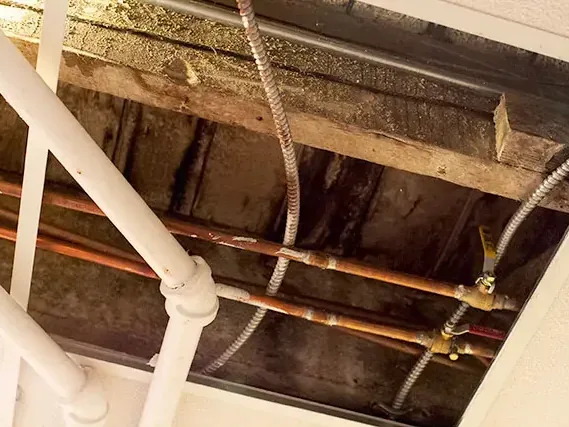
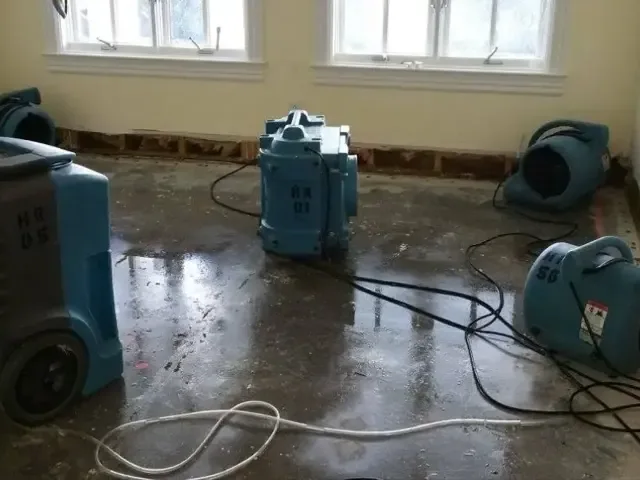
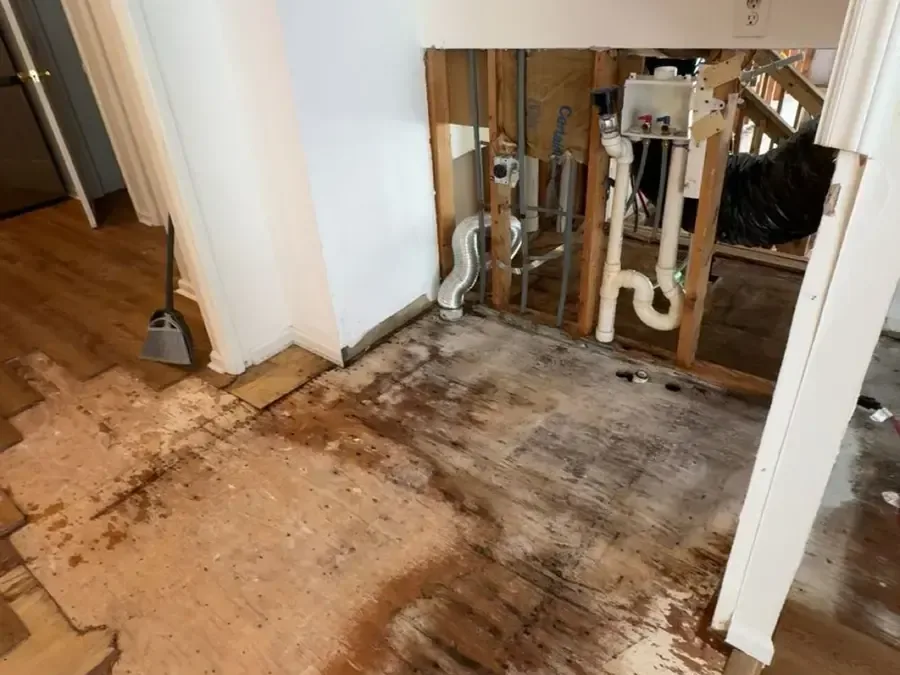
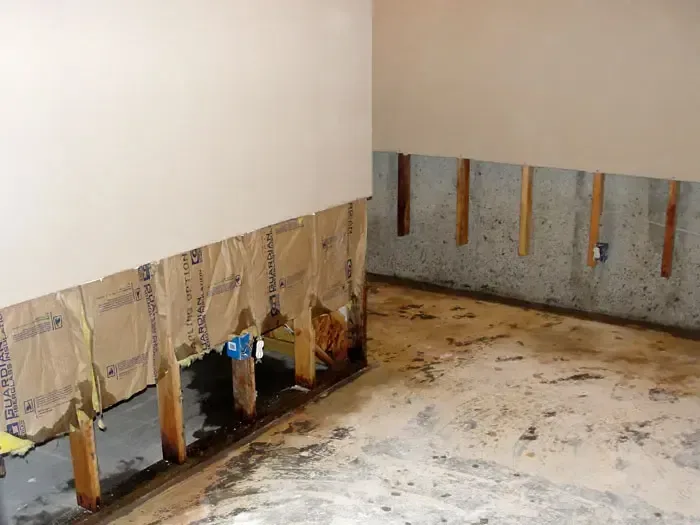
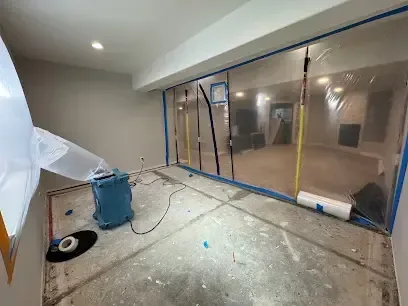
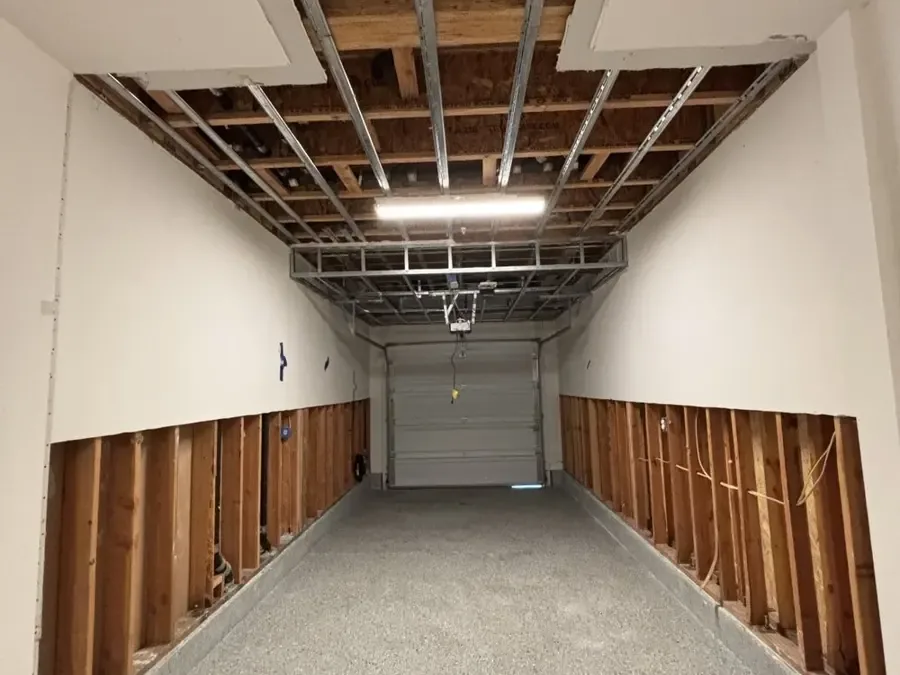
Most of the housing here dates from the streetcar era, from 1890s triple-deckers to hillside houses on Sumner Hill and Moss Hill, nearly all of them over basements. Boston averages about 49 inches of snow a season and sits squarely in nor'easter country.
January 14, 2023. A 36-inch water main broke on Heath Street, and water ran waist-deep through parts of Heath, Waldron and Minden streets.
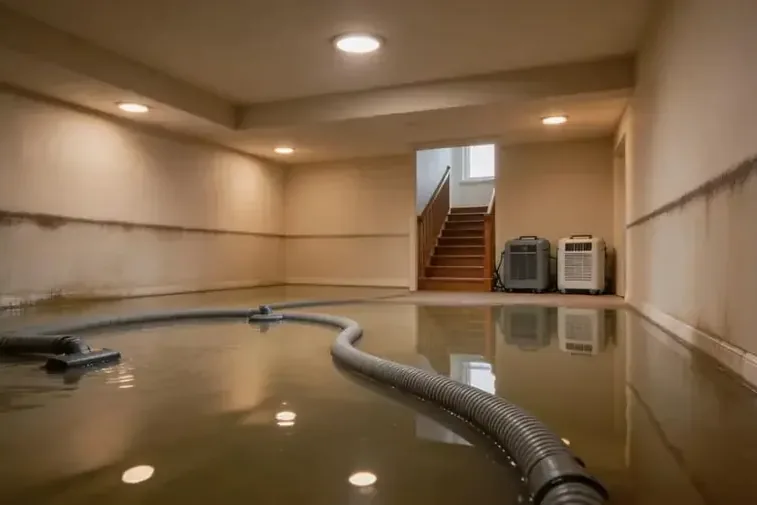
The category of water decides what can be dried in place and what has to come out, following the IICRC S500 standard.
From a split supply pipe, a radiator valve or a water heater. Extracted and dried in place before it sits long enough to turn dirty.
Burst pipe water damage ›From a washer, dishwasher or an overflowing sink or tub. Carries contamination, so pad and soaked porous materials are cleaned or removed.
Appliance leak cleanup ›Sewage from a floor drain or toilet and storm runoff from the street. Containment, protective gear, removal of porous materials and disinfection.
Sewage backup cleanup ›A clean-water leak caught early and confined to a room or two usually runs about $1,200 to $3,500. Basement and multi-floor losses run higher, and sewage or a loss spread across several units can pass $20,000.
Ranges are typical, not a quote. Water category, square footage, material class and how fast drying started move the number most. The water damage cost calculator gives a closer range.
From the houses around Jamaica Pond to the multi-family blocks near Jackson Square and Forest Hills, the extraction crew works every street in the ZIP code.
Neighboring Roslindale, Mission Hill and West Roxbury are covered the same way, with 24/7 dispatch for burst pipes, basement water and backups.
Email for non-urgent questions: [email protected]
Find us on Google (888) 480-6221Check that a crew covers your blockDispatch runs 24/7 and active water is treated as urgent at any hour, including nights and holidays. Arrival depends on traffic, weather and the jobs already underway, so the dispatcher gives a realistic window on the call.
Close the main shutoff, cut power to wet rooms if the panel is dry, move valuables and take photos before cleanup. Then get extraction started, because water keeps moving into plaster, floors and the ceiling below. See burst pipe water damage.
Many policies cover sudden and accidental water, such as a burst pipe or a failed water heater. Flood water usually needs separate flood coverage, and sewer backup is often a separate endorsement. Check your own policy before filing.
Ice splits the pipe or a fitting, then plugs the crack while it stays frozen. When the pipe thaws, water runs out at full pressure, often inside a wall or porch ceiling. See frozen pipe water damage.
Most rooms dry in 3 to 5 days once extraction is done. Plaster walls, oak floors and basement concrete can take a week or more. The equipment stays until the readings reach the dry goal.
It is the industry standard for professional water damage restoration. It covers how water is categorized, how moisture is measured, how drying equipment is sized and when a structure counts as dry.
Drywall soaked by clean water often dries in place. Plaster can usually be dried with the cavity vented. Anything soaked by Category 3 water, or wet long enough to swell or crumble, is cut out and replaced.
Sewage is Category 3 water that carries bacteria. The crew works in protective gear, removes porous materials it touched, cleans and applies an EPA-registered antimicrobial before drying. See sewage backup cleanup.
Cost follows the category of water, the square footage wet, the material class and how fast drying started. The scope is written line by line from the moisture map, which is also what the adjuster reviews.
A backwater valve, set in a pit in the basement floor, closes when the sewer pushes water back toward the house. A plumber installs it and the owner keeps it clean. See basement flooding cleanup.
Close the main shutoff if it is safe and keep clear of wet outlets. The restoration team takes over extraction, drying and the claim file.
(888) 480-6221Stop the spread, call dispatchJamaica Plain and southwest Boston
Suffolk County, MA
Dispatch 24 / 7 / 365
The longer water sits in plaster and floors, the more comes out. Extraction and drying start with one call.
(888) 480-6221Bring in extraction and drying now