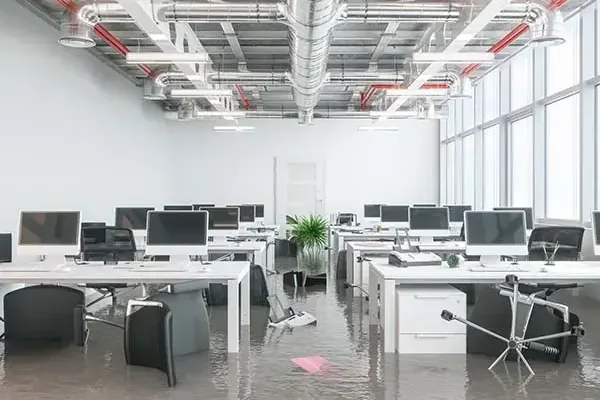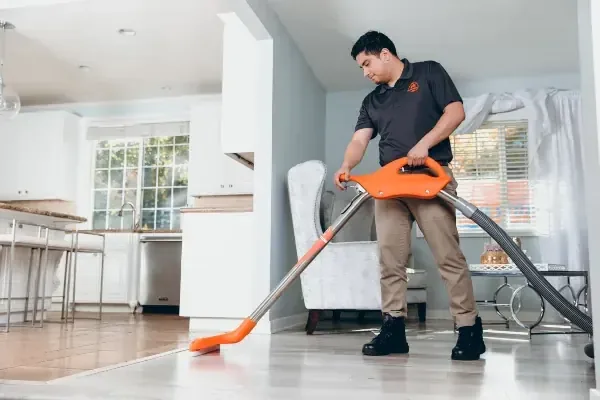
Water Extraction and Removal
Pumps and wands pull standing water off floors and out of carpet before it reaches the framing.
See how it is handled ›Standing water pulled out, walls and floors dried to a measured standard, and sewage cleaned up properly, for the triple deckers, apartment buildings and family houses of this Boston neighborhood, with moisture readings logged for the claim.
Water from an upper unit rarely stays put, so the first check covers the apartments below the room where it started.
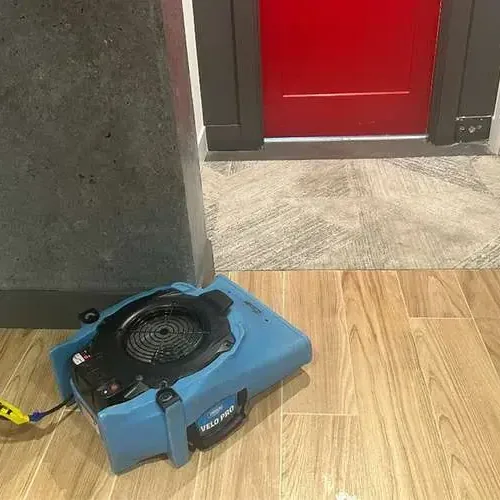
Mattapan began to develop around the turn of the 20th century, when railroads and streetcars made downtown Boston easier to reach, and much of its housing is still triple deckers and double deckers. A leak that starts in one unit can travel down through the floors to every apartment below.
The housing mix also includes small apartment buildings, single family houses and public housing, so crews plan for shared walls, shared ceilings and several households at once. The restoration team sets the equipment, dries the structure and records the readings that the claim will need.
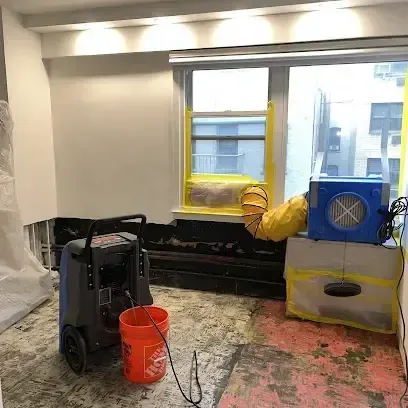
From a split pipe in a cold snap to a backed up shared drain, each job starts with stopping the source and ends with a dry, documented structure.
Pumps and wands pull standing water off floors and out of carpet before it reaches the framing.
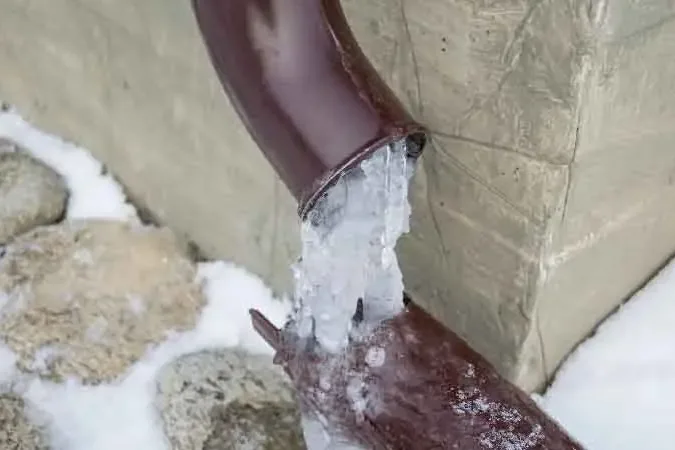
See how it is handled ›A pipe split by a cold snap can drain through the floors below, so the wall and ceilings are opened and dried.
See how it is handled ›A burst supply pipe in an upper apartment is shut off, then the soaked rooms below are extracted and dried.
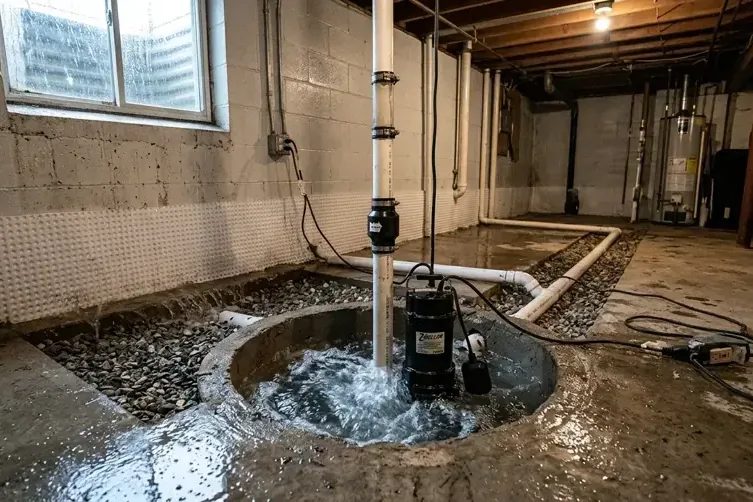
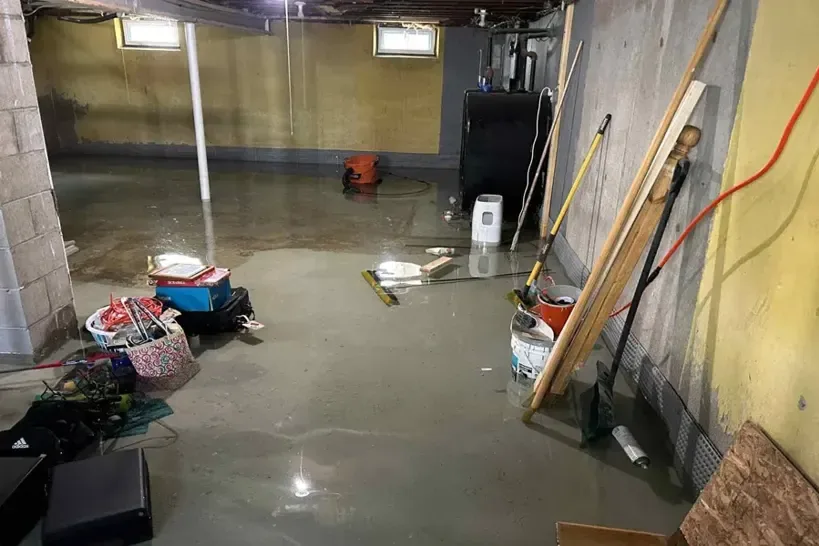
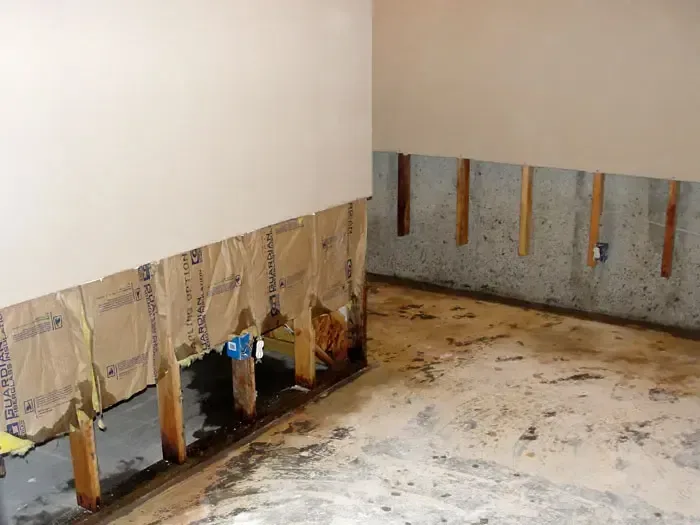
See how it is handled ›Water in a lower level is pumped out, wet materials come out and the space is dried before repairs.
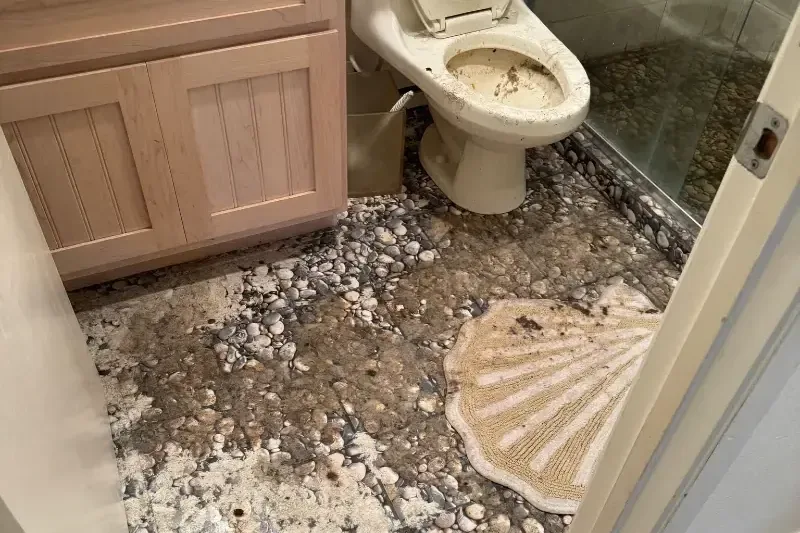
See how it is handled ›Contaminated water is removed in protective gear, porous materials are discarded and surfaces are sanitized.
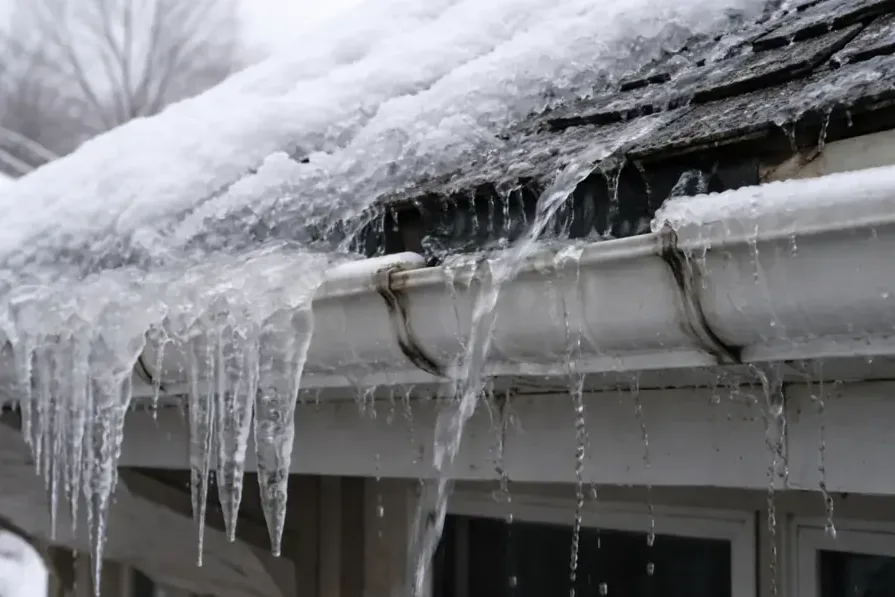
See how it is handled ›Meltwater forced under shingles by ice at the eaves is traced into the top floor and dried.
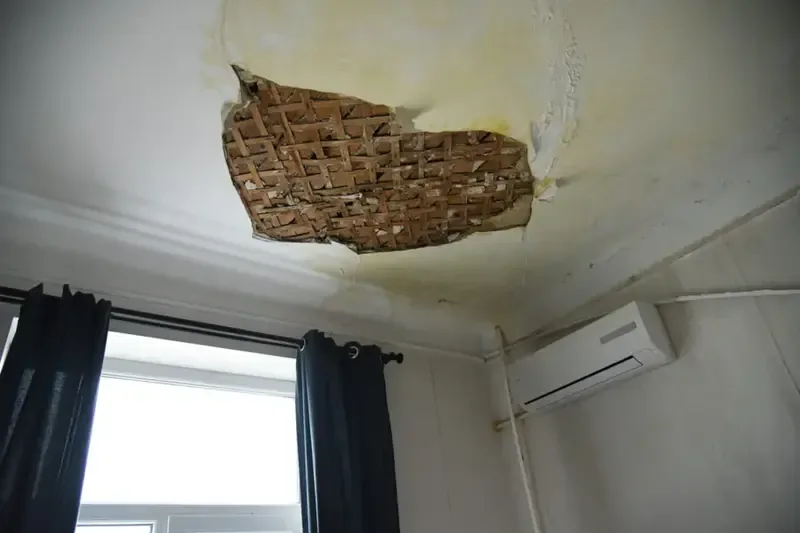
See how it is handled ›A wet ceiling is opened and drained, and the source above it is found before new drywall goes up.
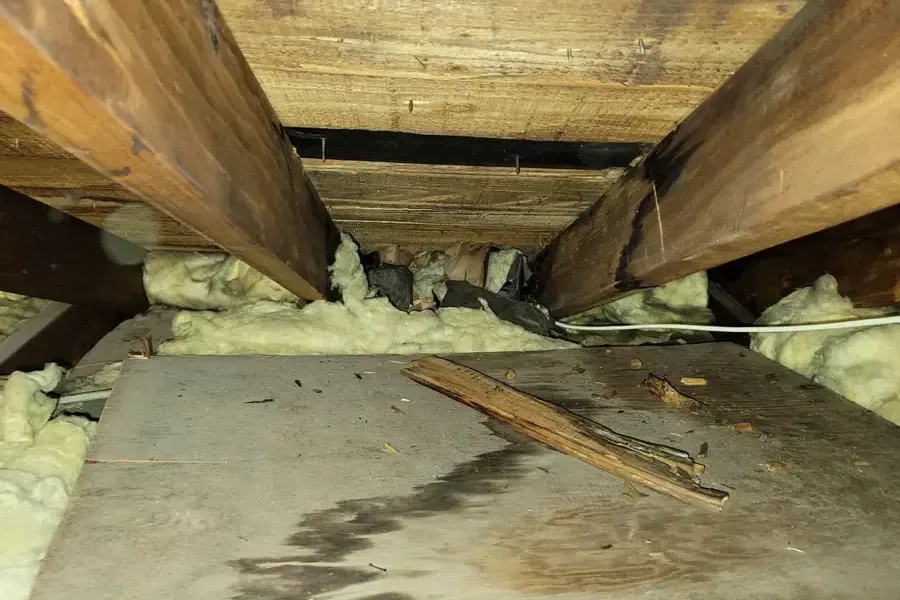
See how it is handled ›Storm water that gets through the roof is tracked through attic insulation and the rooms below.
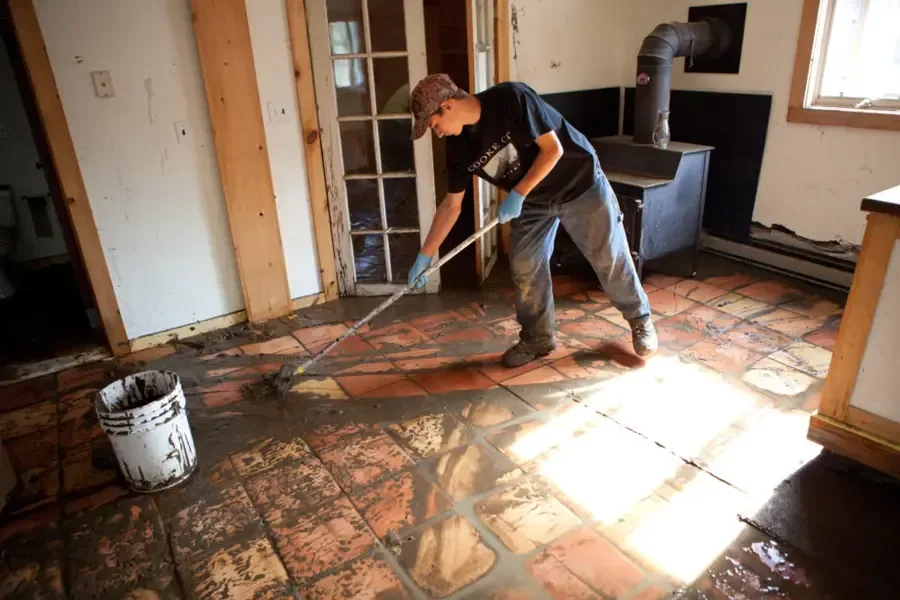
See how it is handled ›Rain and runoff that enter a building are pumped out, and everything the water touched is dried.
See how it is handled ›When a sump pump quits in a storm or outage, the water is removed and the pit is checked.
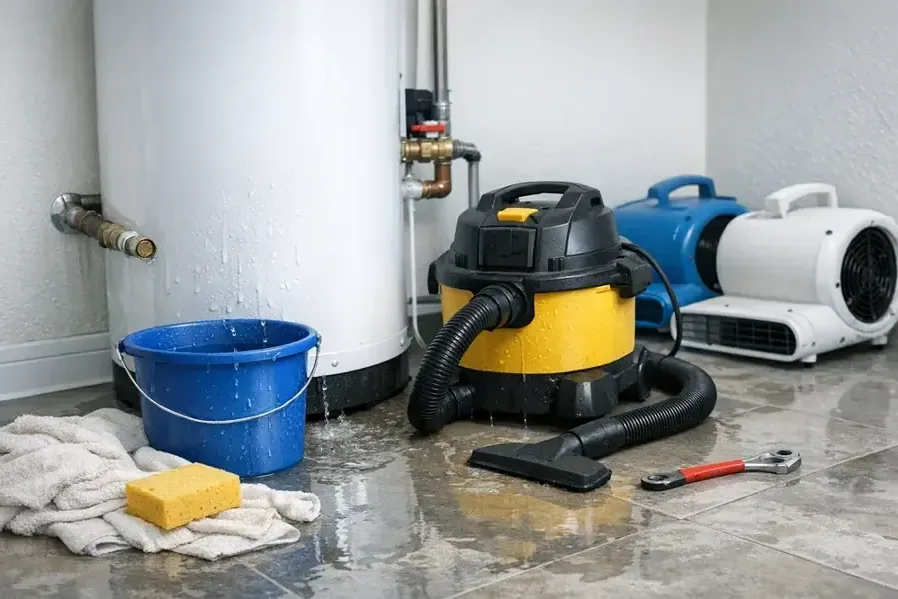
See how it is handled ›A leaking tank is isolated, the water is extracted and the floor around it is dried.
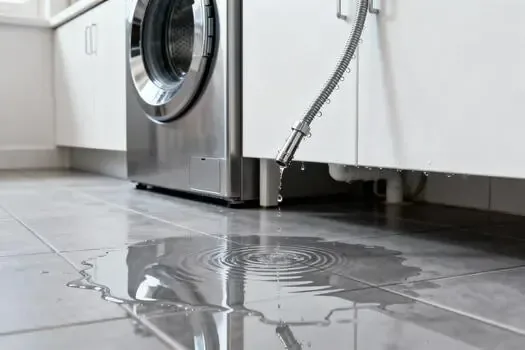
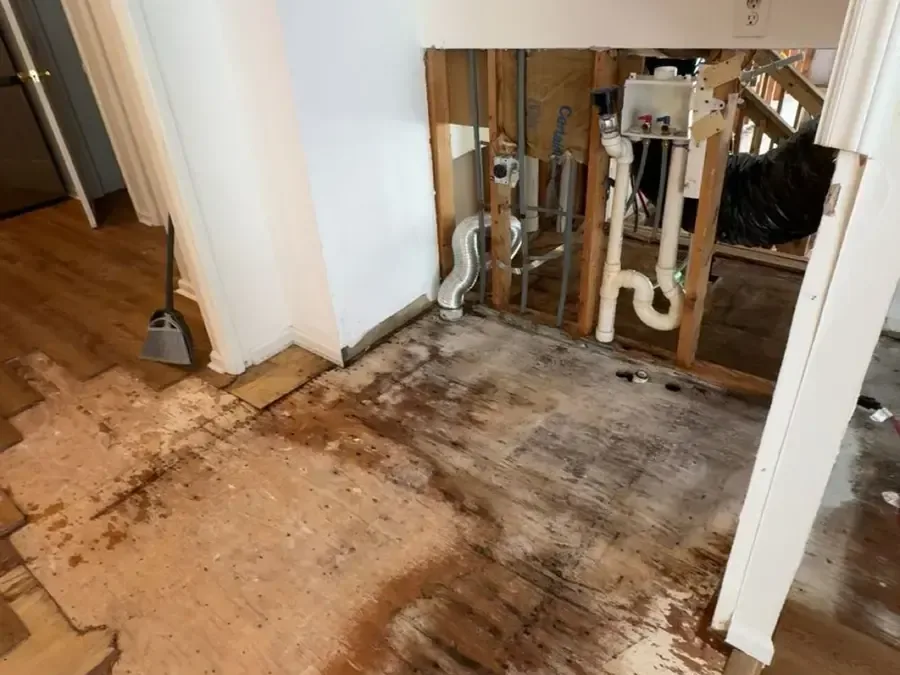
See how it is handled ›A washer, dishwasher or supply hose leak is stopped, then floors and cabinets are dried to protect the units below.
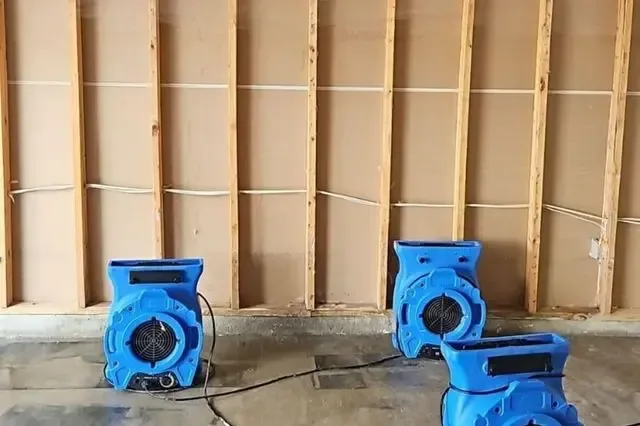
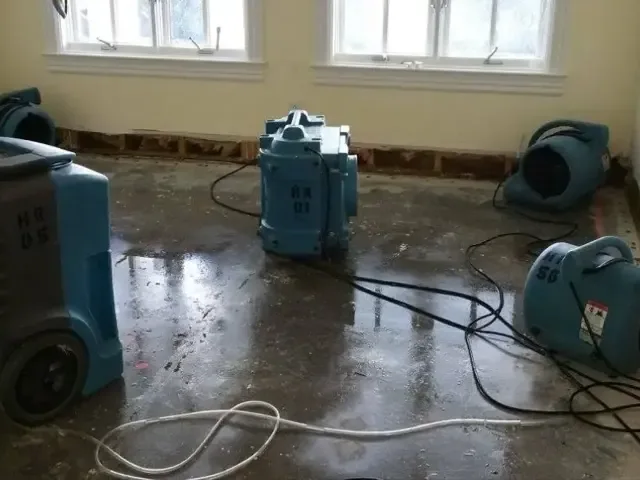
See how it is handled ›Air movers and dehumidifiers run on a plan until walls, floors and framing read dry again.
See how it is handled ›Shops, offices and restaurants get a drying plan built around the business.
See how it is handled ›A typical range from the size of the wet area, the water category and how long it sat.
Rough drying days by material, from plaster walls to oak floors and basement concrete.
How exposed the pipes in a porch, crawl space or outside wall are when a hard freeze arrives.
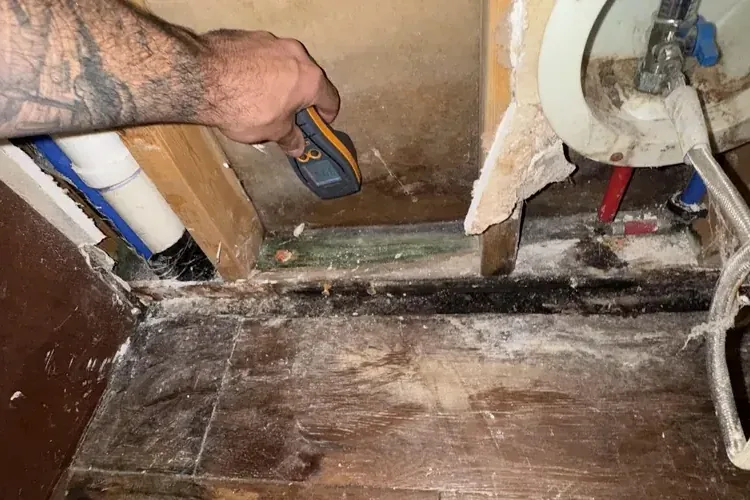
Meters read the moisture inside walls and floors, an infrared camera shows what the surface hides, and the equipment stays running until the readings match the dry reference points in the same building.
Several households, shared walls and tight stairwells change how a water job is set up, and the response team plans around all three before any equipment goes in.
A leak on the third floor gets traced down through each ceiling and wall cavity, so every wet apartment is found, not just the first one.
Water does not keep office hours, so dispatch runs day and night and the first task is always stopping the source.
The work covers water and sewage only, and the written scope lists each room, each machine and the reading targets.
Photos, moisture readings and equipment logs are kept from the first visit to the last, ready for the claim.
Insurers want proof of what failed, when it was found and how it was dried, so the paperwork is built while the work happens rather than afterward.
Shut off the water at the valve if that is safe, move belongings out of the wet area and photograph everything before anything is thrown away.
Keep damaged materials for a short while if the adjuster asks to see them, and contact the insurer promptly to open the claim.
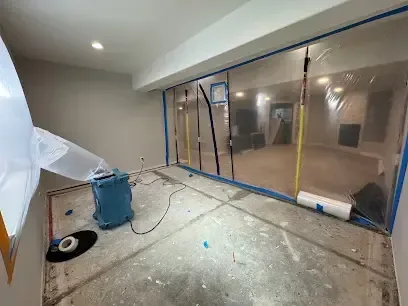
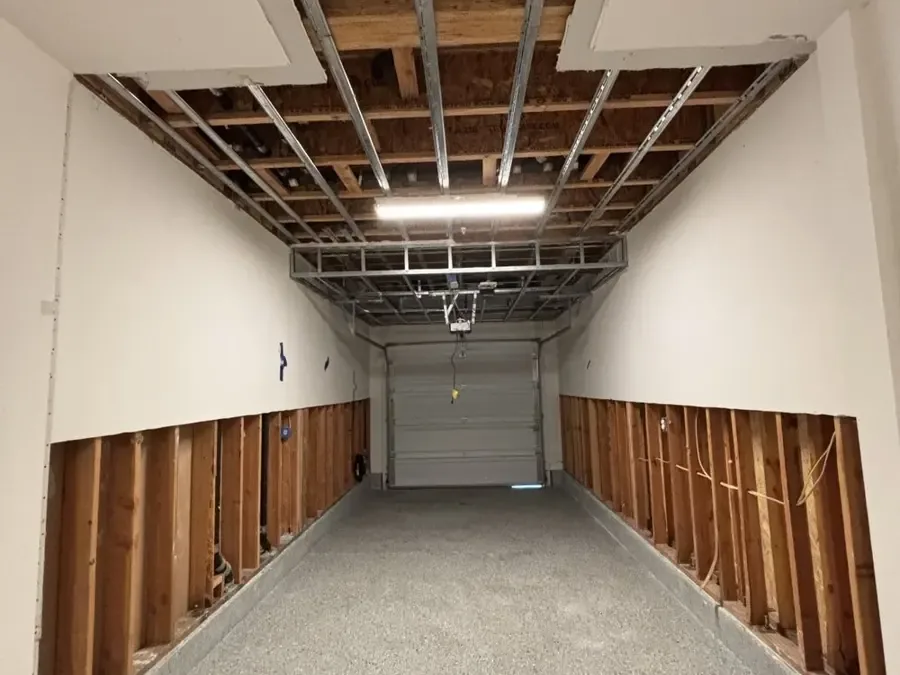
Boston Water and Sewer Commission provides water and sewer service in Boston, and the Neponset River runs along Mattapan. Water trouble here can start inside a building, in a public main, or with the weather, and each source calls for a different first step.
September 14, 2023 A water main break on Lorna Road flooded several homes and streets, spreading to Lena Terrace and West Selden Street.
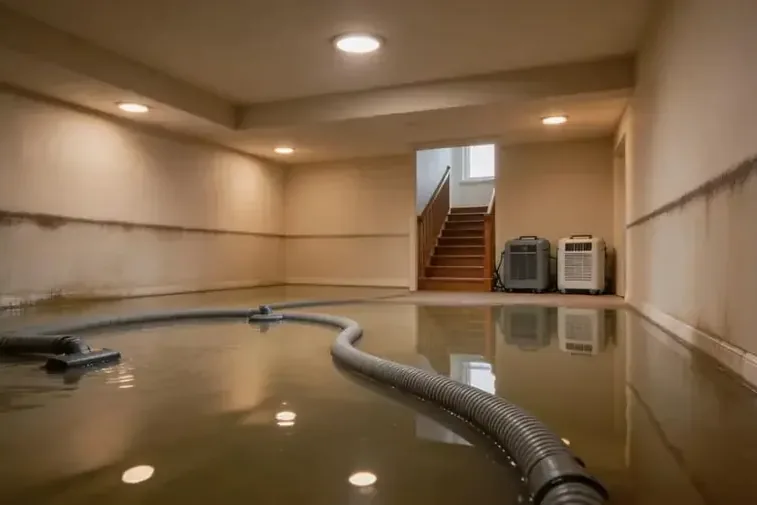
Multi family buildings tend to run into the same few water problems, and each one calls for a different first move.
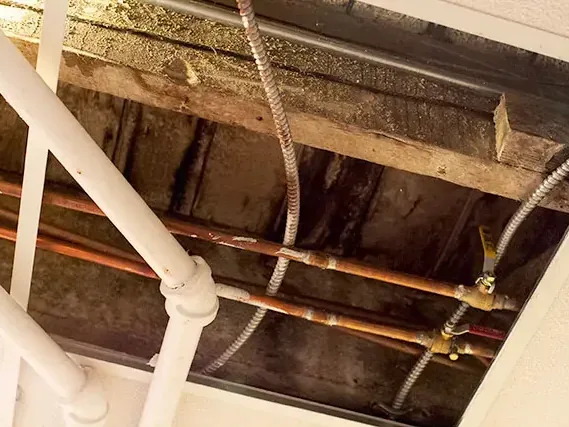
In stacked houses a split pipe can send water down through the floors below, so the wall and each ceiling underneath get checked.
See frozen pipe work ›A washer or dishwasher leak in one apartment can reach the units below, even when the floor above looks only slightly damp.
See appliance leak work ›A backup can start in the building drain or in the public sewer, and it needs protective gear and careful cleanup.
See sewage cleanup ›The bill follows the amount of water, the number of rooms and the materials that got wet. A leaking ceiling in one room is a small job, while sewage that reaches a finished basement can run many times higher.
Ranges reflect common scopes for this kind of work, and the written scope after the first assessment sets the real figure for the building, the rooms and the water involved.
The 02126 ZIP code also takes in parts of Hyde Park and Forest Hills and a large part of Lower Mills, and the service area follows those same streets.
The neighborhood borders Dorchester, Roslindale and Hyde Park, and the town of Milton, and the same crews work across those edges.
Email for non-urgent questions: [email protected]
(888) 480-6221Call about water in this neighborhoodDrying should begin in the first day or two, because wet drywall, wood and insulation can start growing mold in 24 to 48 hours. Extraction comes first, then air movers and dehumidifiers take over.
The crew finds and stops the source, extracts the water and dries every unit it reached. Who pays depends on the lease and the policies involved, so photos and readings from each apartment matter.
Yes. Sewage cleanup means protective gear, removal of porous materials such as carpet and drywall, and disinfecting of what stays, with the area sealed off from the rest of the building while it is done.
A wet ceiling in one room usually runs $1,200 to $3,500, a finished basement $3,500 to $9,500, and a multi room or multi unit sewage job $7,500 to $22,000, depending on the water and the materials.
The team documents the loss with photos, moisture logs and equipment records so the adjuster has a clear file. The insurer alone decides what the policy covers.
Leave circuits that serve wet areas off, and never step into standing water to reach a panel. If the panel itself is wet, an electrician needs to look at it before power returns.
The cleanup and drying are much the same, but the paperwork can differ. After the Lorna Road break of September 2023, one resident reported more than a foot of water in a garage and basement.
They run until the meters match dry reference readings, which can mean a few days for a small leak and longer for plaster, masonry or a flooded basement.
Yes. Common areas are part of the scope, and the crew sets equipment so tenants can still reach their apartments safely while the drying goes on.
Yes. Commercial jobs along Blue Hill Avenue and around Mattapan Square are planned around opening hours, stock and the building's shared systems.
Describe where the water started and which floors are wet, and dispatch sends the pumps and drying equipment the building needs.
(888) 480-6221Ask for the pump crewMattapan and southwest Boston
Suffolk County, MA
Dispatch 24 / 7 / 365
Call now and dispatch sends a crew to stop the source, pull the water and start the drying plan.
(888) 480-6221Get a crew on the job