Water Extraction and Removal
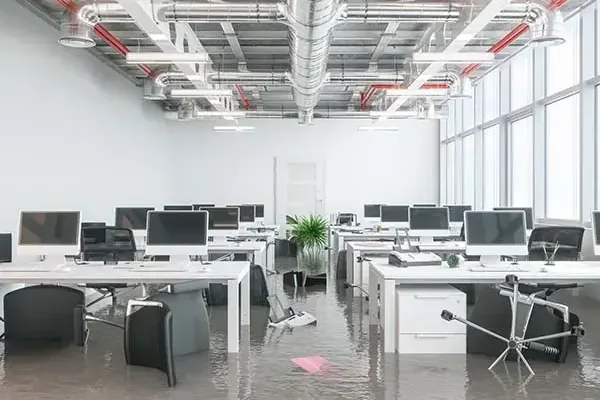
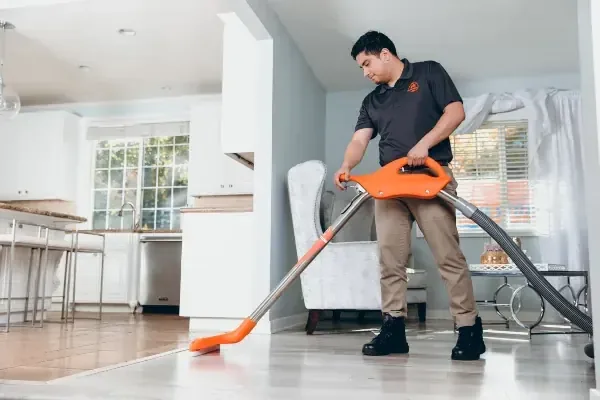
Pumps and wands remove standing water from each affected floor, including units the water reached from above.
See how it is handled ›Burst pipes, sewage backups, storm water and leaks from the unit upstairs call for the same order of work. Water is removed first, then the drying crew works through every floor, wall and ceiling it reached.
Water and sewage cleanup for homes and businesses. Drying starts early because wet wood and drywall can grow mold in days.
Dorchester is the largest neighborhood in the City of Boston, and its housing mixes single-family homes, two-family houses, three-family buildings and condo units. Wood-frame triple-deckers are a familiar part of that mix, with one apartment stacked on top of the next.
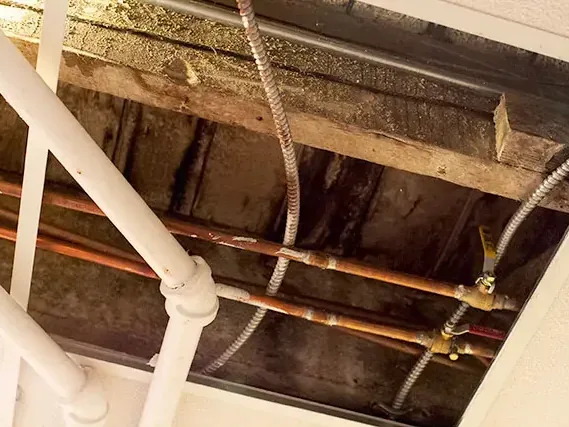
That stacking shapes how water behaves. A pipe that fails on an upper floor can soak the ceilings and walls of the units below, so the restoration team plans extraction and drying floor by floor instead of room by room.
Pick the kind of loss that matches what happened, and the service behind it covers the work, the typical cost range and the questions that come up.
Pumps and wands remove standing water from each affected floor, including units the water reached from above.
See how it is handled ›Pipes that split in a freeze release water inside walls and floors, which then need opening and drying.
See how it is handled ›A burst supply pipe can send water down through stacked units, so cleanup follows it downward.
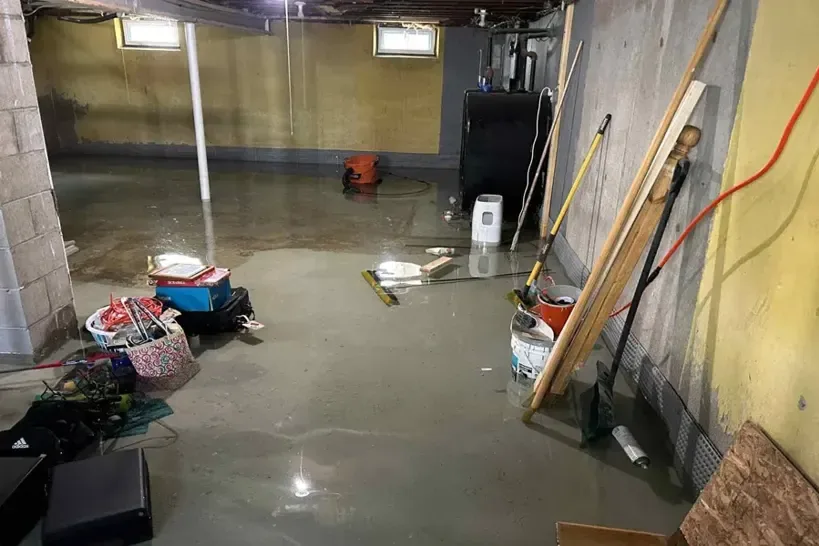
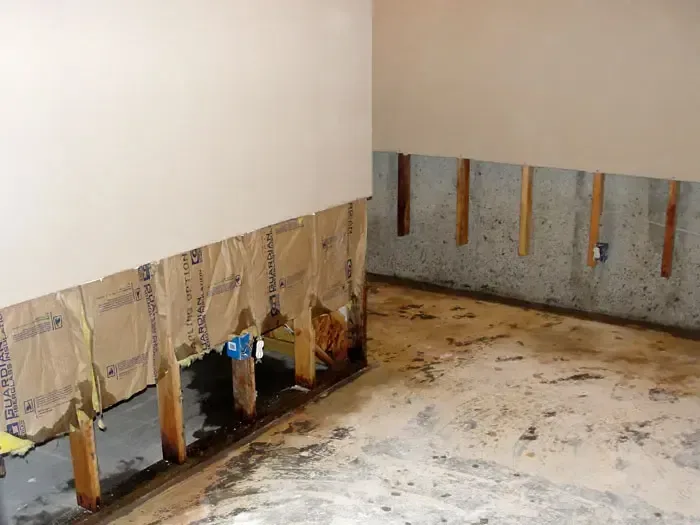
See how it is handled ›Water that rises in a basement from storms or a failed drain is pumped out and the space dried.
See how it is handled ›Sewage that comes up through a drain is contained and removed, and soaked porous materials are discarded.
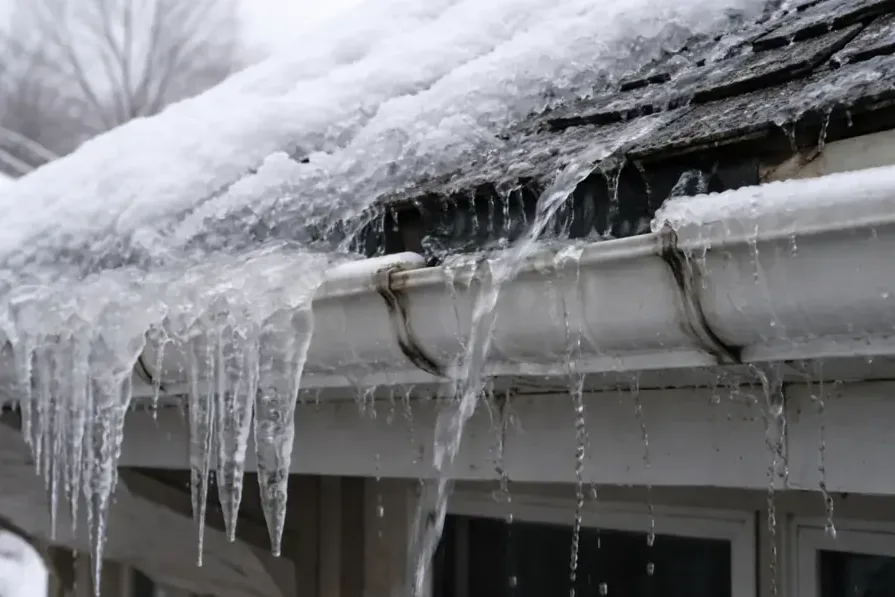
See how it is handled ›Ice at a roof edge can push melt water under shingles and into ceilings, which then need drying.
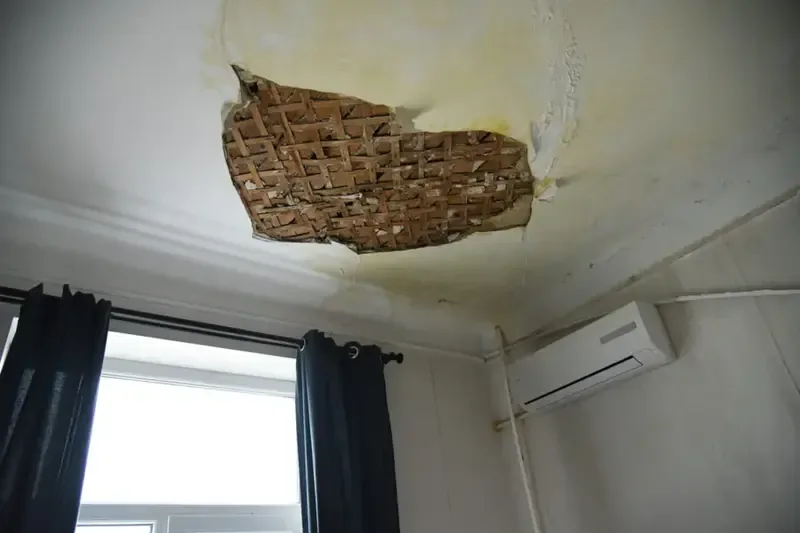
See how it is handled ›A leak from the unit above can wet a ceiling and the walls beneath, so wet drywall is opened and dried.
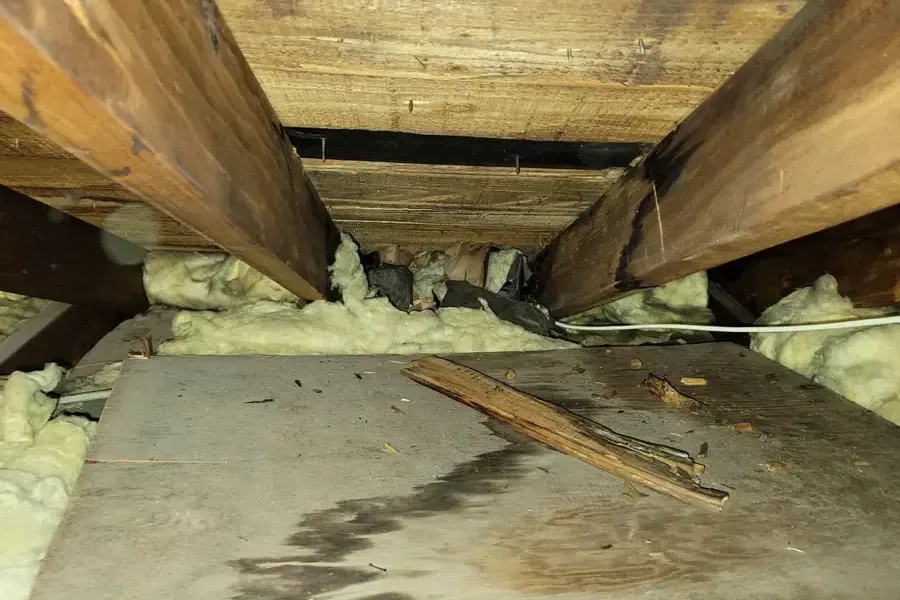
See how it is handled ›Rain past a damaged roof wets attic boards, insulation and the ceilings below, all of which need drying.
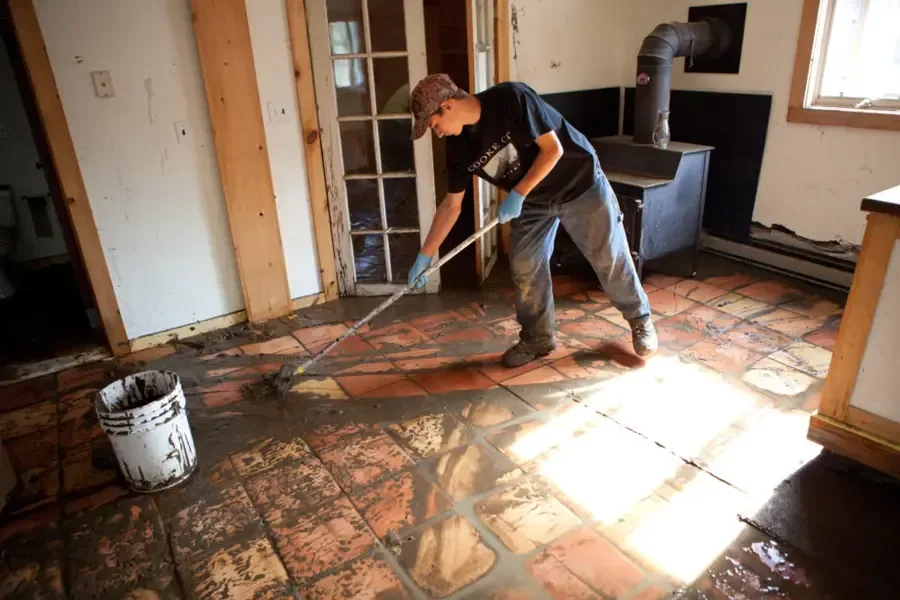
See how it is handled ›Storm runoff carries mud and contamination indoors, so removal, cleaning and drying are done together.
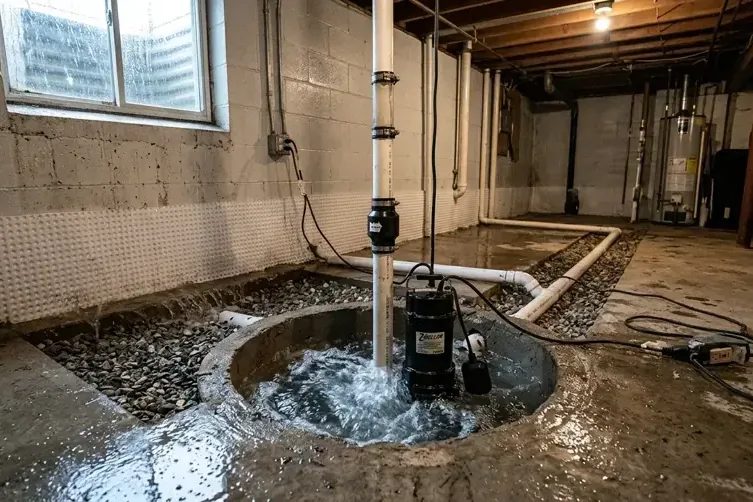
See how it is handled ›When a sump pump quits in heavy rain, the crew removes the overflow and dries what it soaked.
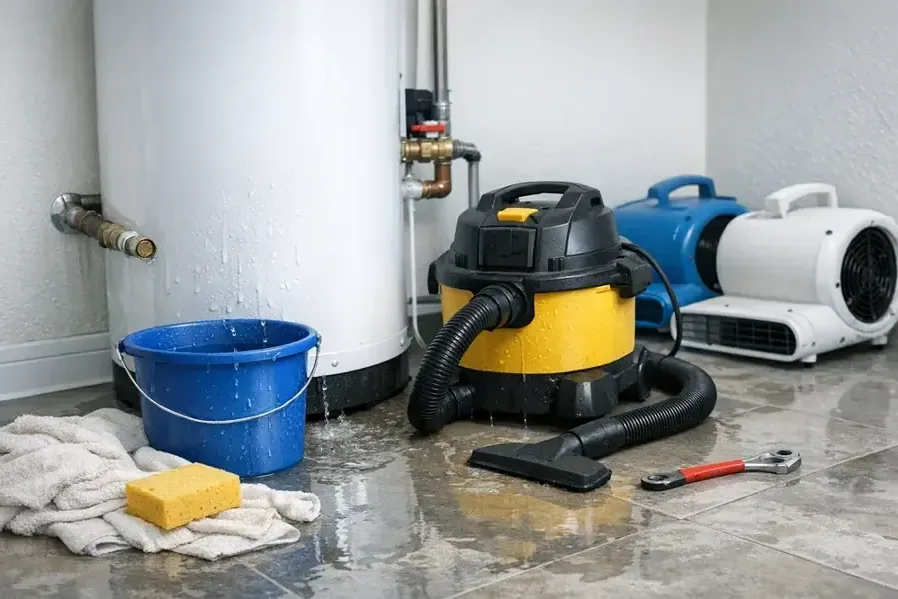
See how it is handled ›A leaking tank can soak nearby floors and walls, and a building with several units may have several tanks.
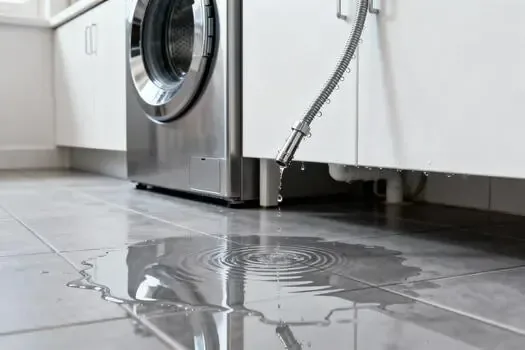
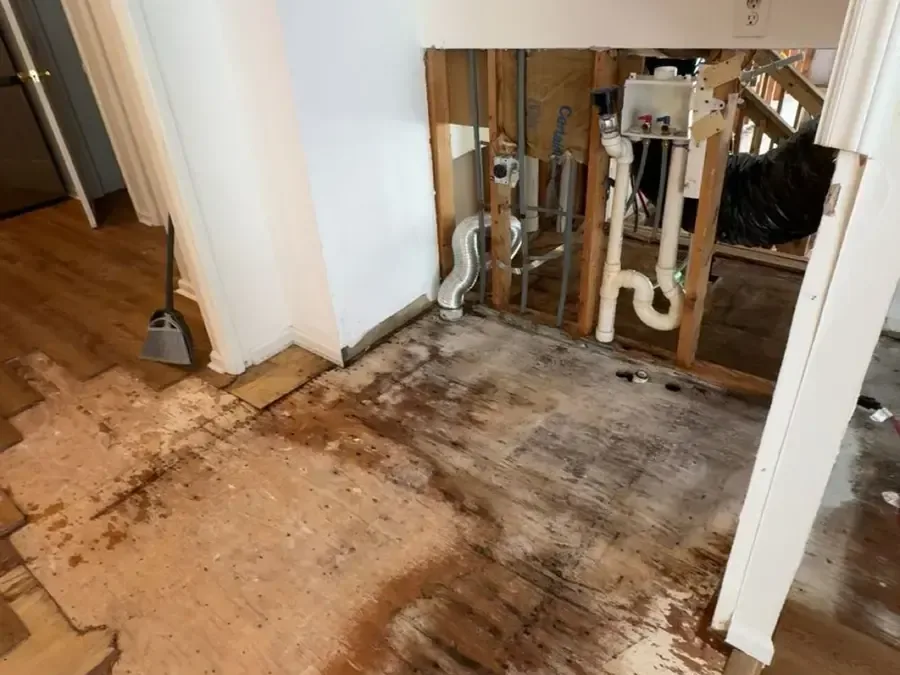
See how it is handled ›A washer or dishwasher hose that fails can reach the floor below, so the cleanup follows the water.
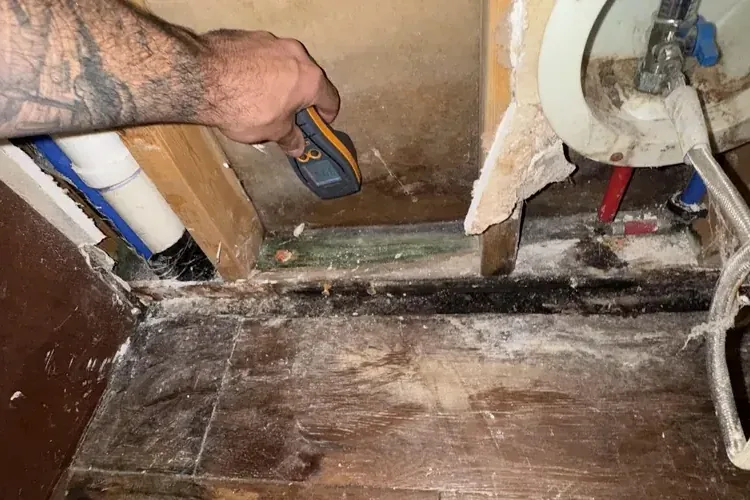
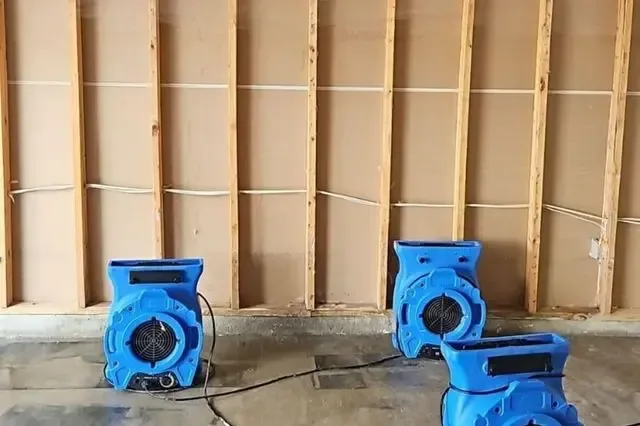
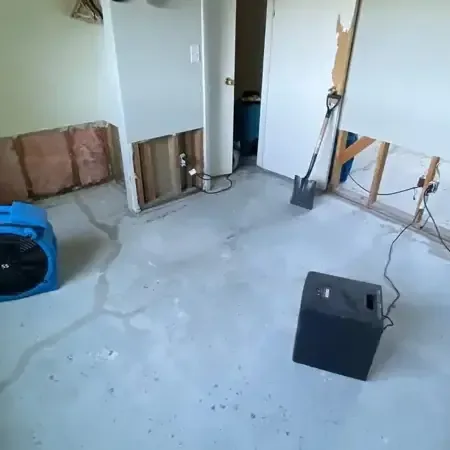
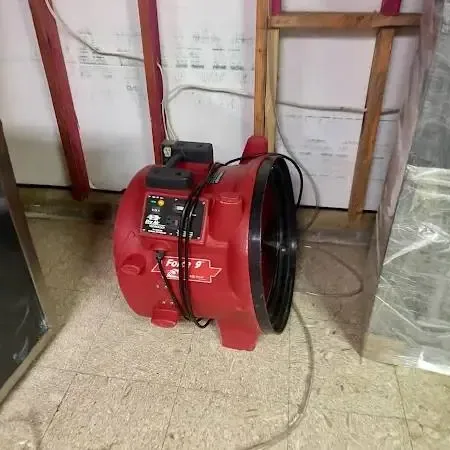
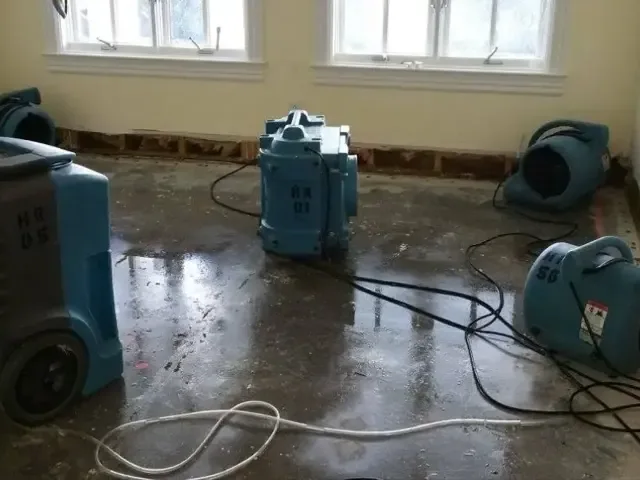
See how it is handled ›Dehumidifiers and air movers dry framing, subfloors and plaster until moisture readings match dry reference materials.
See how it is handled ›Shops and offices get water removal and drying planned around tenants, stock and business hours.
See how it is handled ›A typical range from the size of the wet area, the water category and how long it sat.
Rough drying days by material, from plaster walls to oak floors and basement concrete.
How exposed the pipes in a porch, crawl space or outside wall are when a hard freeze arrives.
Every job follows the IICRC S500 standard for water damage restoration: remove the water, measure what is wet, dry with controlled equipment and confirm dry readings before anything is closed up or rebuilt.
The work is built around older, stacked buildings, where a leak rarely stays in one apartment and every claim needs clear, dated paperwork from the start.
Extraction and drying are mapped across every unit the water reached, not only the room where it showed up.
Daily readings are recorded so progress and the final dry result are on paper for everyone involved.
Pumps, air movers and dehumidifiers are matched to the wet area instead of one standard kit.
Price ranges are explained early, and any change in scope is discussed with the owner before more work begins.
Claims move faster when the damage is documented from the start. The crew photographs affected areas, records moisture readings and keeps an itemized list of what was removed and why.
Coverage depends on the policy and the cause of the loss, and only the insurer can decide it. A sudden pipe failure is often treated differently from long-term seepage.
Waiting on an adjuster should not mean waiting on cleanup. Work that stops further damage can usually begin while the claim is still open, with records kept for the insurer.
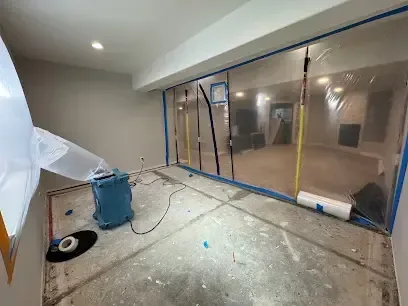
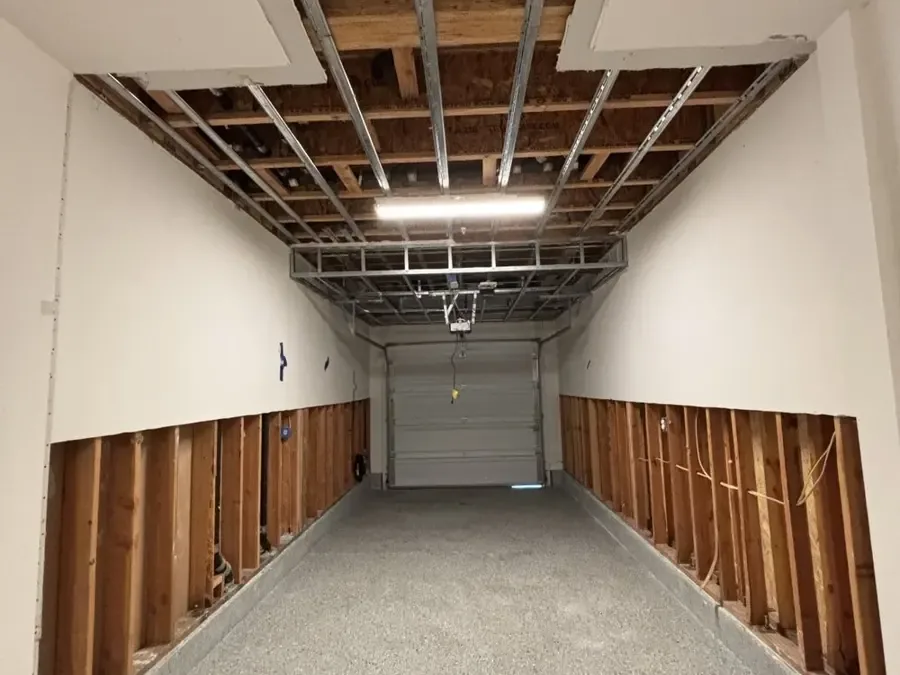
Several local facts shape how water losses play out in the neighborhood: stacked housing, a shoreline along the bay and the river, and public water and sewer mains that now and then make the news. Each one changes how the response is planned.
September 17, 2024 A National Grid crew working in the street apparently struck a Boston Water and Sewer Commission main, flooding Peabody Square, according to WBUR.
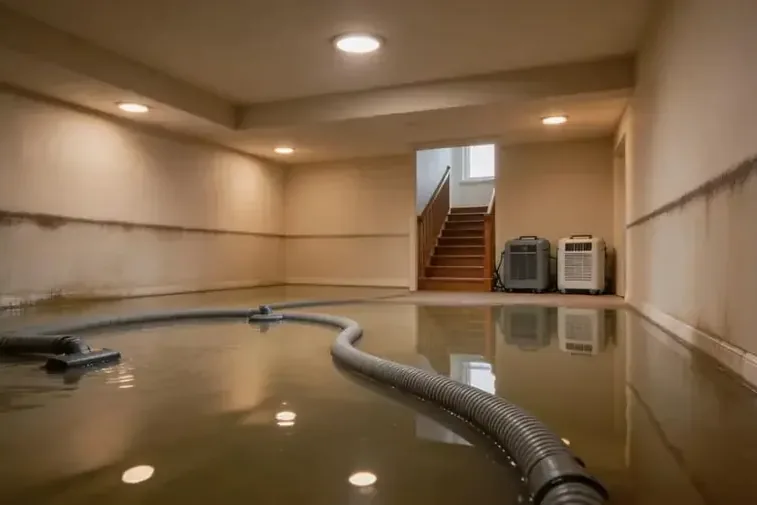
These three losses come up often in older multi-unit buildings, and each has its own cleanup rules and its own cost range.
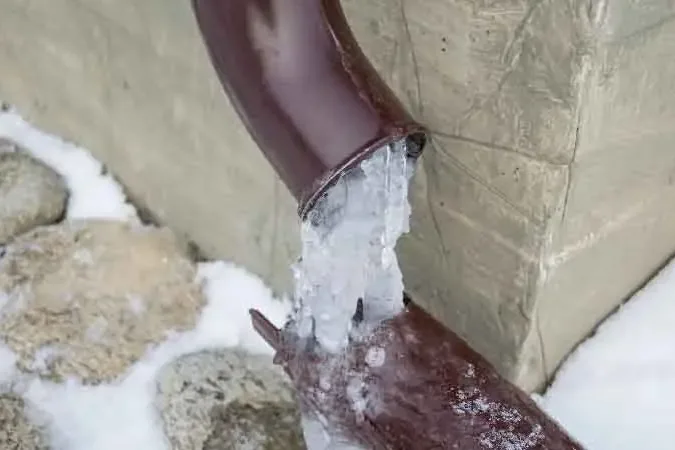
A hard freeze can split a pipe inside a wall, and the water may run for hours before anyone notices.
See frozen pipe cleanup ›In stacked buildings, a failed washer hose or dishwasher supply can drip into the ceiling of the unit below.
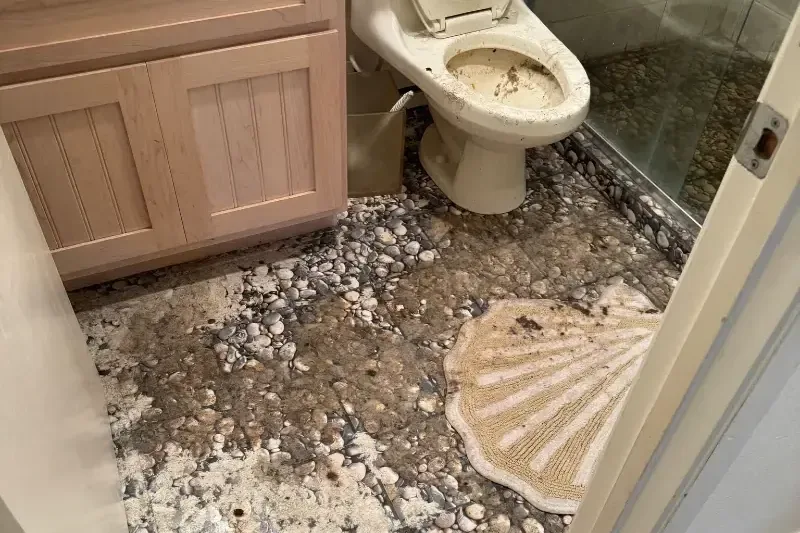
See appliance leak cleanup ›Sewage that comes up through a drain is a health risk and needs protective gear, containment and careful disposal.
See sewage cleanup ›Cost depends on how much water entered, how many floors it reached and whether it was clean or contaminated. Most small jobs fall in the first range, while multi-unit or sewage losses fall in the last.
Ranges are typical for the area and change with the water source, the materials affected and how long the structure stayed wet. A written scope is shared before major work starts.
The crews work across the whole neighborhood, including addresses in ZIP code 02125, from the business districts of Uphams Corner and Fields Corner to the residential streets around Ashmont and Lower Mills.
Triple-deckers, condos and small shops all get the same measured approach, with extraction and drying planned for the building as it is built.
Email for non-urgent questions: [email protected]
(888) 480-6221Call to confirm an addressAs early as possible. Drywall, plaster and framing soak up water fast, and the longer they stay wet, the more likely materials fail and mold starts within a day or two.
Yes. Water follows joists, wall cavities and plumbing runs downward, so ceilings in the units below are often wet before anyone sees the source. Extraction and drying cover every floor the water reached.
Sewage carries bacteria, so the area is contained, protective gear is worn and porous materials such as carpet and pad are removed and discarded. Sewage backup cleanup follows stricter steps than a clean supply leak.
It can start in the building drain or in the public sewer. The Boston Water and Sewer Commission runs the public wastewater system, and a plumber can help find where the blockage sits.
That depends on the policy and the cause of the loss, and only the insurer decides. Sudden pipe failures are often treated differently from slow seepage, so photos and moisture records matter.
Most drying takes several days, though wet plaster, thick framing or several floors can take longer. Moisture readings, not the calendar, decide when the equipment is removed.
Yes. Condo units, rentals and owner-occupied floors all get the same measured approach, with notes kept per unit so owners, tenants and insurers can see what was done.
Shut off the water at the main valve, stay clear of wet electrical areas and call for extraction. Frozen pipes often split inside walls, and frozen pipe water damage work includes opening the cavity to dry it.
Yes. Businesses in districts such as Uphams Corner, Codman Square and Lower Mills get drying planned around stock, tenants and trading hours so disruption stays small.
Photos of the damage, receipts for ruined items and a note of when the leak began. A list of any wet materials removed also helps when the claim is reviewed.
A short call can sort out whether the problem is extraction, drying or sewage cleanup, and what should happen first at the property.
(888) 480-6221Call the restoration teamDorchester and southwest Boston
Suffolk County, MA
Dispatch 24 / 7 / 365
The restoration team removes the water, dries the structure and documents the loss for the insurer, so repairs can start.
(888) 480-6221Reach the drying crew