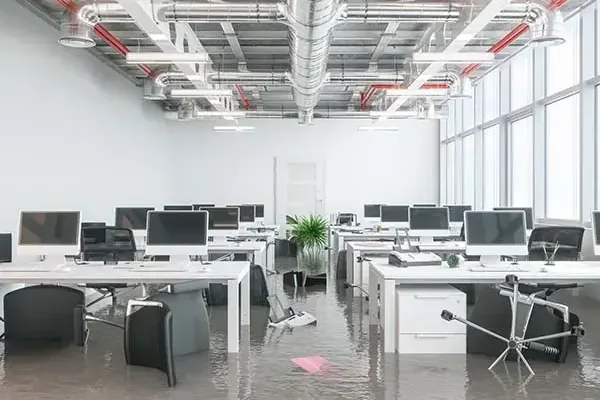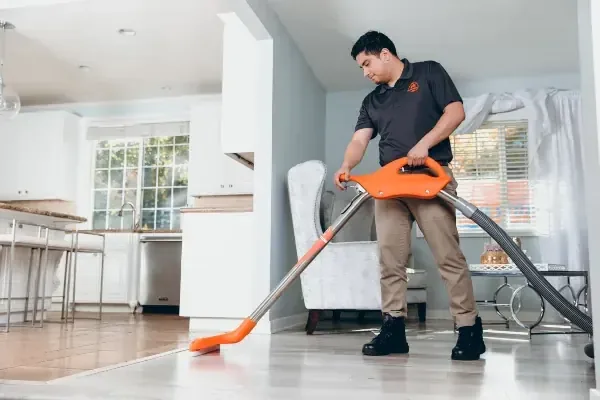
Water Extraction and Removal
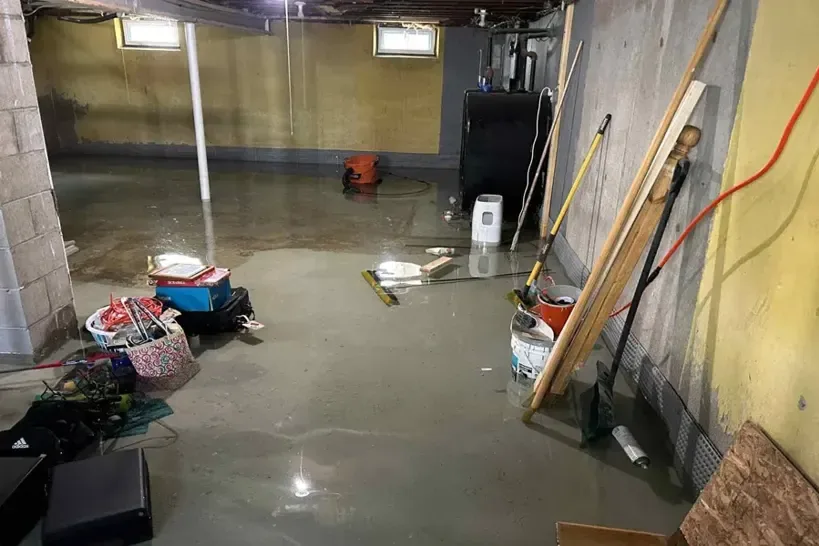
Standing water pulled from floors with wands and pumps before it wicks into walls and the rooms below.
See how it is handled ›Burst pipes, failed sump pumps, sewer backups and storm water all start the same way here: the extraction crew pulls the water out, then the drying team sets equipment and tracks moisture readings until the structure is dry.
Houses, condominiums and two-family buildings each need a different plan, and the crew sets one before equipment goes in.
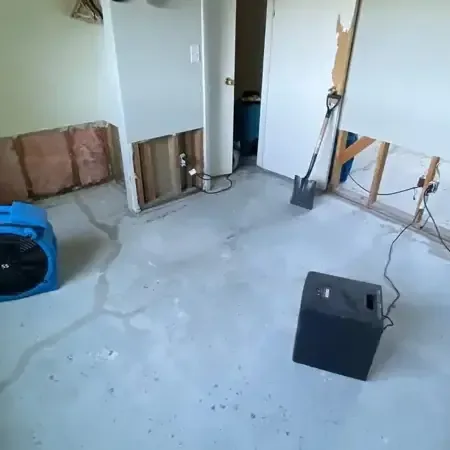
West Roxbury is the southwest corner of the City of Boston, a neighborhood of single-family houses, two-family buildings and condominiums. When a pipe, a heater or a storm lets water into one of them, the restoration team treats the first hours as the part that decides how much of the building can be saved.
Water is pulled out first, wet materials are opened up where the meter says moisture is hiding, and drying equipment stays until the readings match dry reference points. Each visit adds notes and photos for the insurance file.
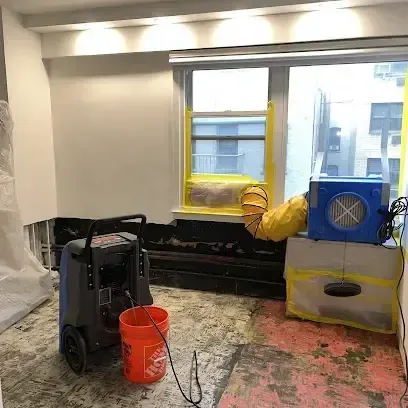
Pick the problem that matches what happened. The steps, costs and drying checks differ for a ceiling stain, a burst pipe and a sewage backup.
Standing water pulled from floors with wands and pumps before it wicks into walls and the rooms below.
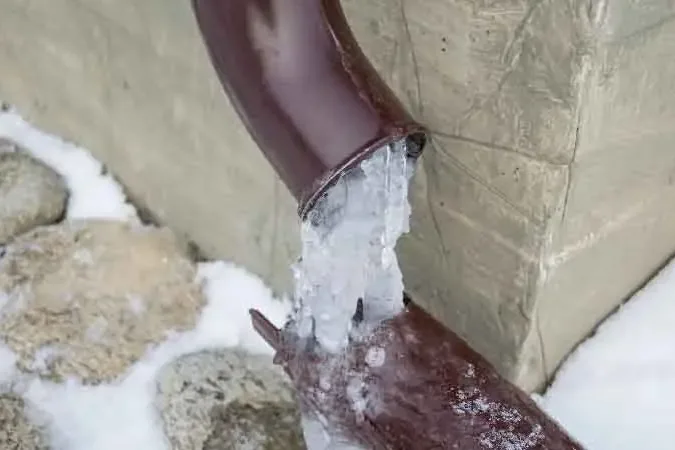
See how it is handled ›A winter split is traced, the wet wall opened and the cavity dried with meter checks.
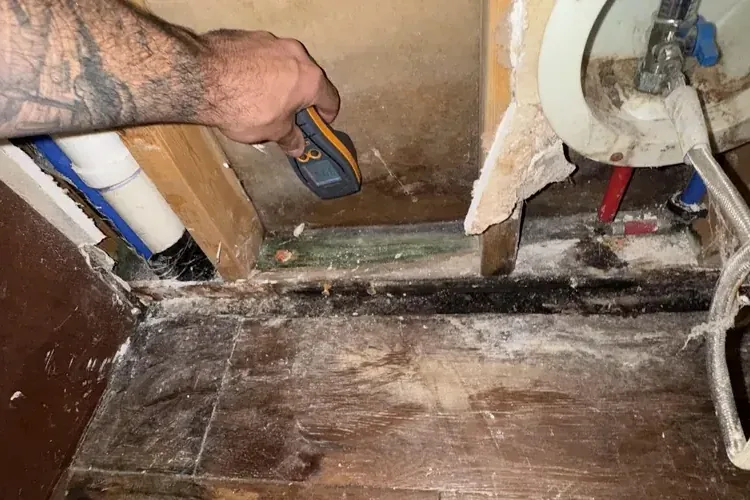
See how it is handled ›Supply pipe failures are shut off, extracted and dried before wet drywall and flooring become rebuild work.
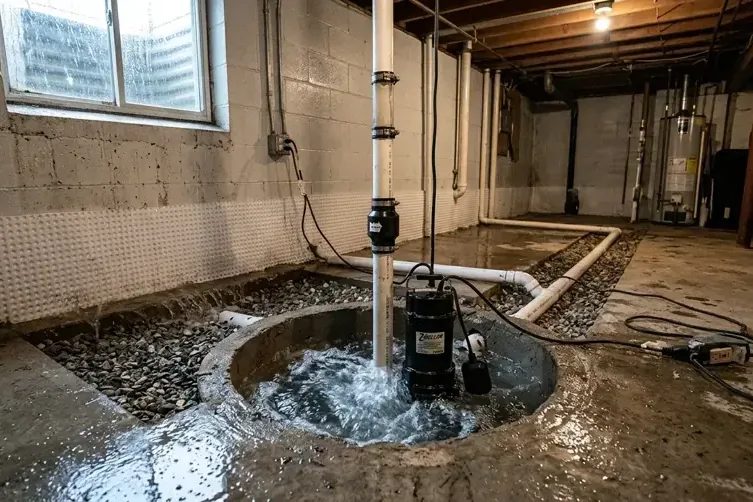
See how it is handled ›Rising or seeping water is pumped out and the lower level dried, with wet materials sorted for removal.
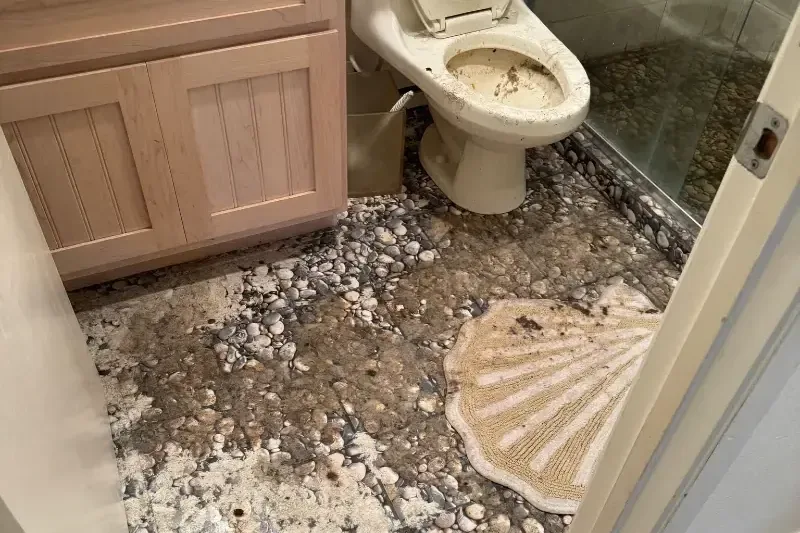
See how it is handled ›Contaminated water is removed, affected materials are bagged out and surfaces are cleaned and sanitized.
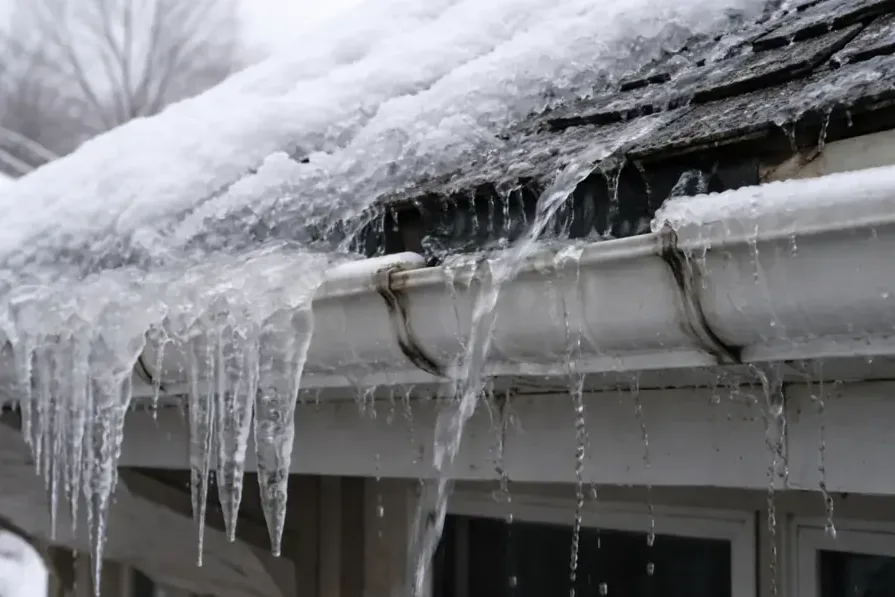
See how it is handled ›Meltwater pushed under shingles is traced into the attic, ceilings and walls, then dried.
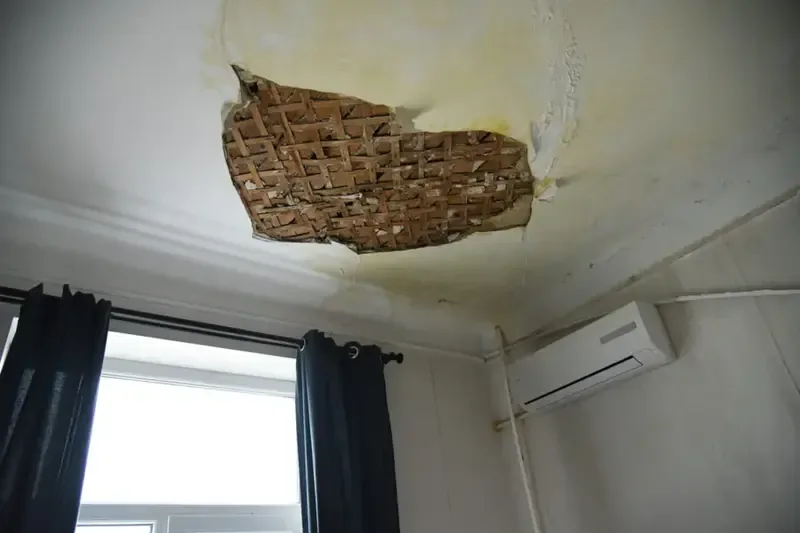
See how it is handled ›Wet ceilings are opened where they sag so trapped water drains and the joists can dry.
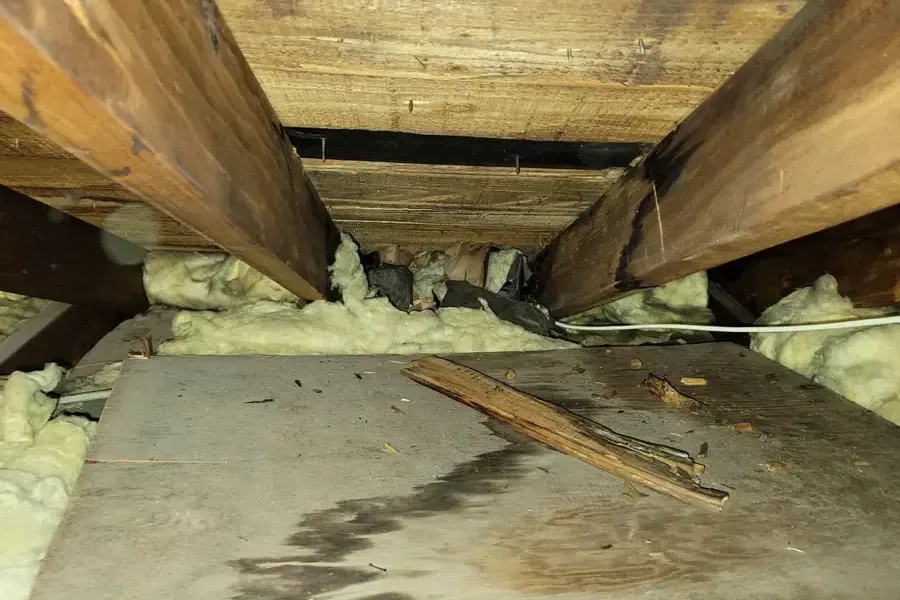
See how it is handled ›Rain that gets past the roof is followed into insulation, ceilings and wall cavities.
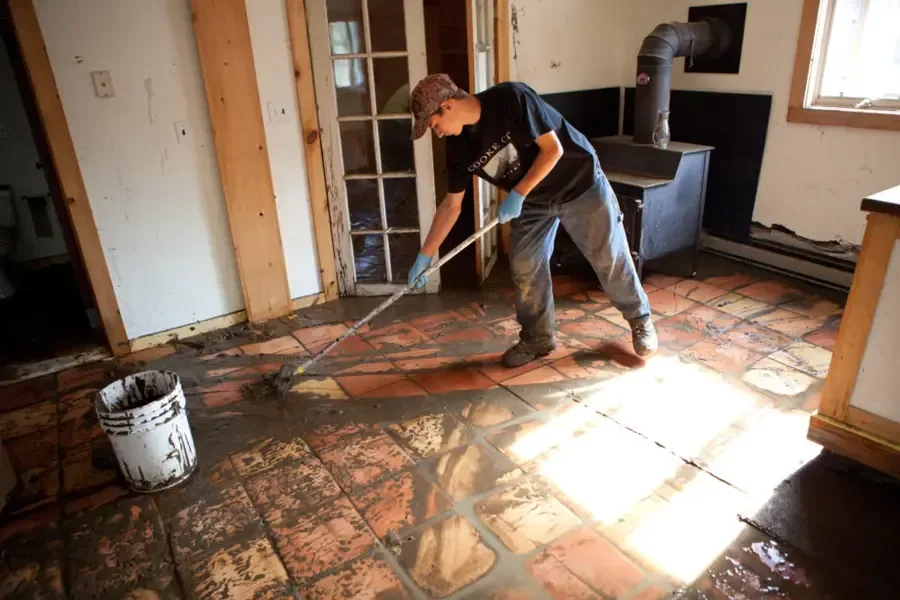
See how it is handled ›Storm and runoff water is removed from floors, with the muck cleared and the structure dried.
See how it is handled ›When a pump stops during heavy rain, the overflow is cleared and the wet area dried.
See how it is handled ›A leaking tank or fitting is isolated, the floor and walls dried and the damage documented.
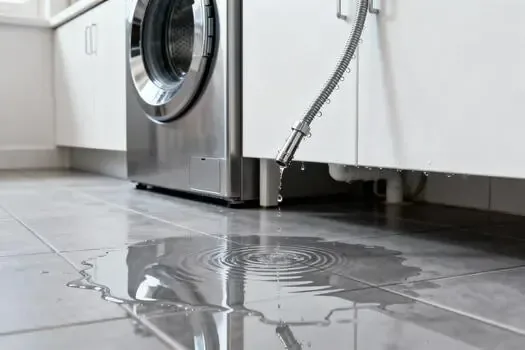
See how it is handled ›Washer, dishwasher and refrigerator hose leaks are dried before water reaches the neighbors below.
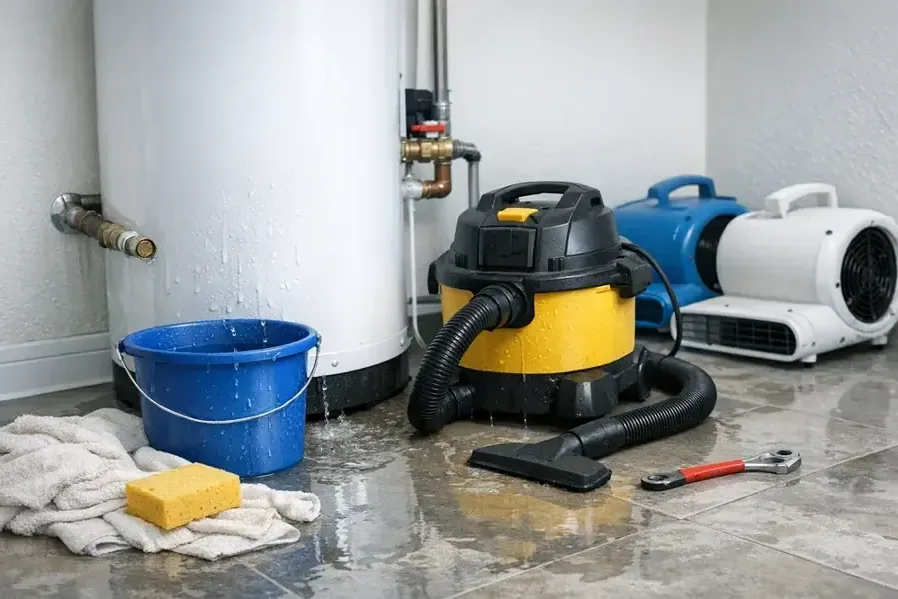
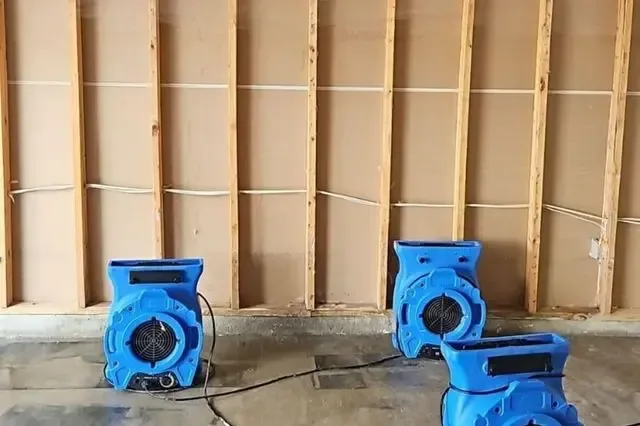
See how it is handled ›Air movers and dehumidifiers dry framing, subfloors and plaster until moisture meters read dry.
See how it is handled ›Shops, offices and multi-tenant buildings get drying plans built around keeping the business open.
See how it is handled ›A typical range from the size of the wet area, the water category and how long it sat.
Rough drying days by material, from plaster walls to oak floors and basement concrete.
How exposed the pipes in a porch, crawl space or outside wall are when a hard freeze arrives.
Every job follows the same four steps whether the water came from a pipe, a storm or a sewer, so nothing is skipped when the loss is stressful and the situation is moving fast.
Water damage is time sensitive, so the work is built around quick action, clear records and drying that is measured at every visit instead of guessed.
Burst pipes and sewage do not follow business hours, so the crew can be reached at night, on weekends and on holidays.
The work stays focused on water and sewage losses, so the equipment, process and paperwork are built for that one job.
Moisture meters, a thermal camera and written logs show when each wall and floor has actually dried.
Photos, moisture logs and a scope of work are kept so the insurance claim has everything it needs.
Most water damage claims go better with documentation from the first visit. The mitigation team records conditions as found, what was removed and how the drying progressed.
A homeowner can report a loss and start mitigation in the same sitting. Policies often expect reasonable steps to limit further damage, so waiting on an adjuster visit is rarely the safe choice.
Coverage depends on the policy and the cause of the loss. The claim itself is between the owner and the insurer, and the mitigation records simply support it.
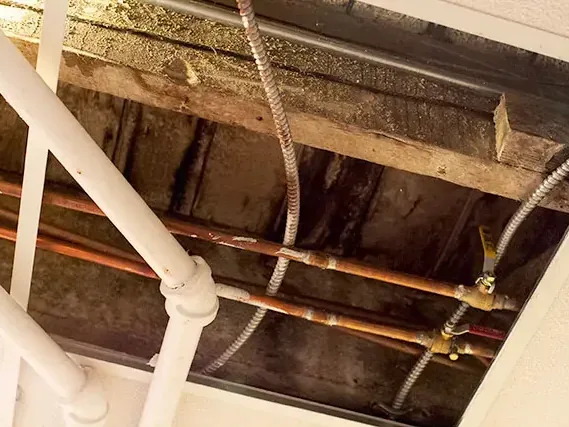
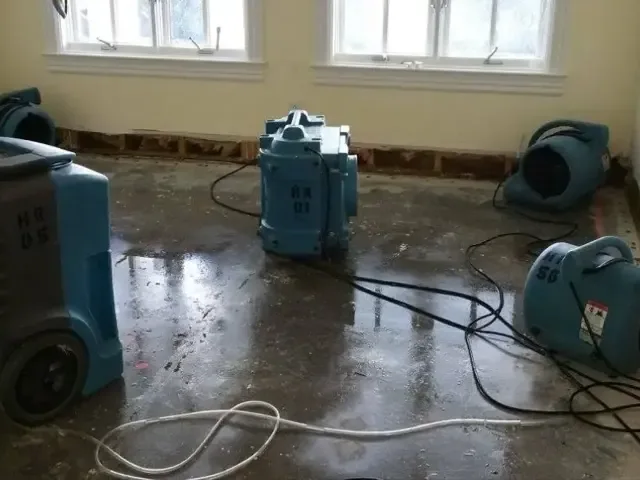
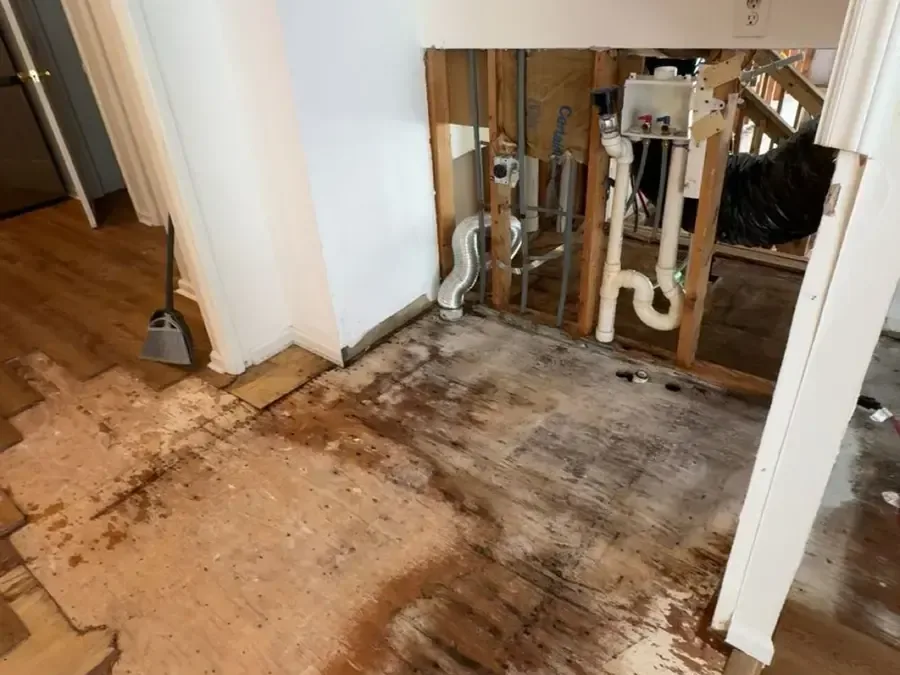
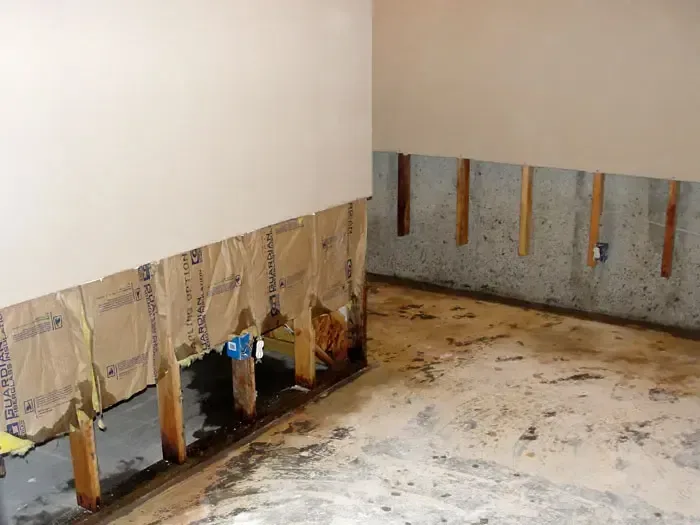
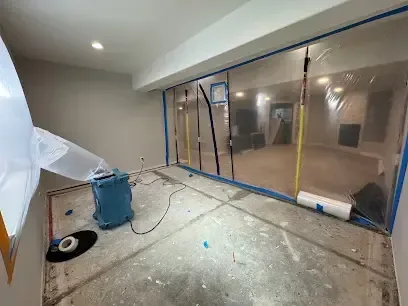
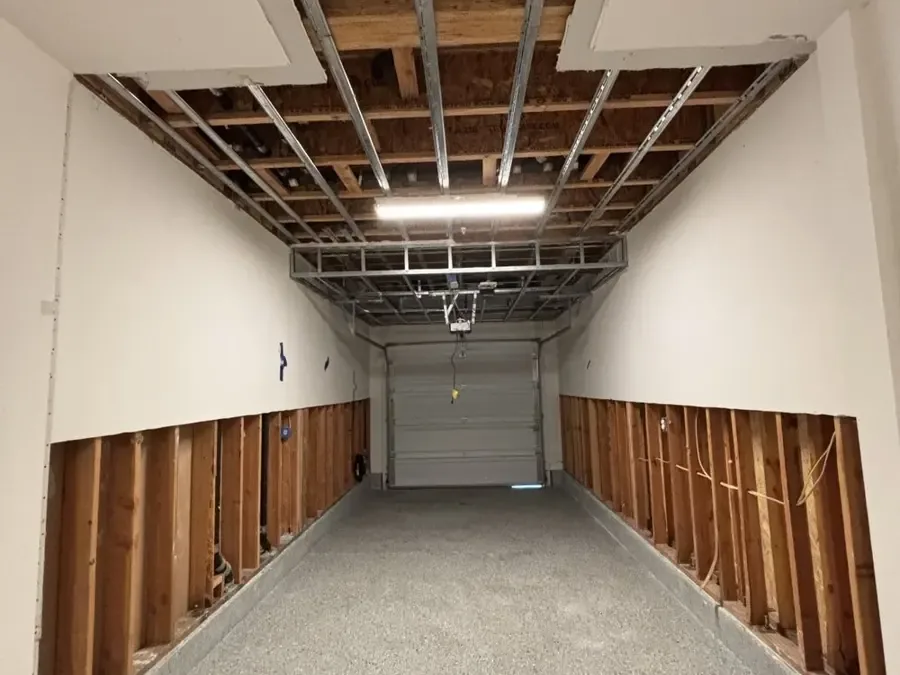
West Roxbury sits in the southwest corner of Boston, edged by the Charles River, brooks and wetlands, with a business district along Centre Street and homes built across many decades. Those details shape how water damage plays out here.
February 25, 2025 A water main break at Centre and Willow streets brought Boston Water and Sewer Commission crews and interrupted running water for a block of Centre Street.
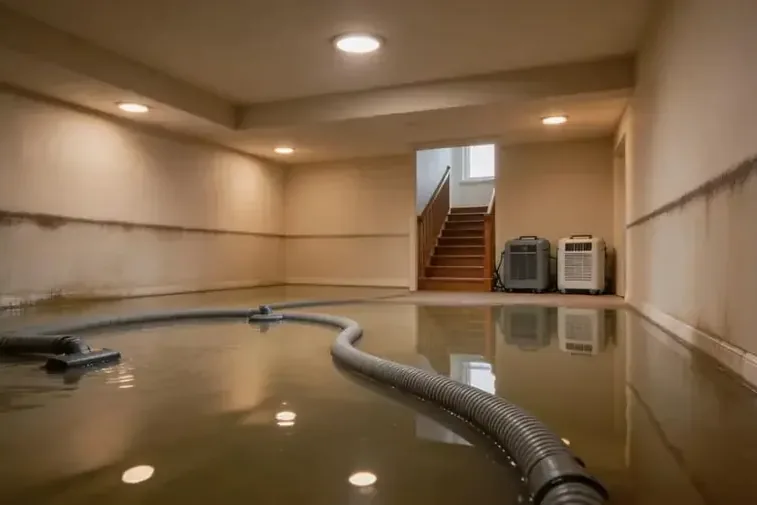
Some losses need a different first move than a simple spill. These three change the plan the most, from the tools to the protective gear.
A cold snap can split a pipe inside a wall, and the water often spreads through the cavity before a stain shows.
See frozen pipe cleanup ›A failed washer hose or dishwasher supply can leak slowly under floors, and in condominiums or two-family buildings it can reach the unit below.
See appliance leak cleanup ›Water from a drain or sewer backup is contaminated, so removal, protective gear and sanitizing come before any drying.
See sewage cleanup ›Cleanup usually runs from about $1,200 for a room or two with drying up to $22,000 for multi-room or multi-unit sewage work. Size, water type, materials and drying time set the final number.
These are typical ranges, not quotes. A moisture survey sets the real scope, and insurance may cover part of the work. Try the water damage cost calculator for a rough figure.
The crew covers the whole neighborhood, from the Centre Street business district and the old village area to the streets around Bellevue Hill, Millennium Park and Stony Brook Reservation.
Public side problems such as a street main break belong to Boston Water and Sewer Commission, while the restoration team handles the water that gets inside the building.
Email for non-urgent questions: [email protected]
(888) 480-6221Get the lower level driedWet drywall and carpet padding begin to break down quickly, and mold can start within 24 to 48 hours. Pulling the water out and starting the dry-down early is what keeps a small loss small.
Shut the water off at the fixture valve or the main, switch off power to wet areas if that is safe, and call for extraction. Photos of the damage before cleanup help the claim, and burst pipe water damage shows the full process.
It depends on the policy and the cause. Sudden events such as a burst pipe are commonly covered, while seepage, neglect and flood often are not, so the policy language matters before a claim is filed.
Clean water caught early can often be dried in place. Insulation soaked by contaminated water and drywall that has sagged usually has to come out, and meter readings decide each section.
Most jobs need several days. Materials, humidity and how deep the water went set the exact time, and readings at every visit show when the structure has reached its dry target.
Treat it as contaminated. Stay out of the area, keep children and pets away, and let a crew with protective gear remove the water, sanitize the surfaces and dry the structure. See sewage backup cleanup.
Yes. Water can pass through floors and walls to neighbors, so the crew checks adjoining spaces and keeps records that can be shared with each owner's insurer.
Often. Shops and offices along Centre Street have carpet, ceilings and neighbors next door, so the plan aims to keep the space usable and the paperwork complete.
Boston-area winters bring freezing temperatures that can split pipes and form ice dams on roofs, and nor'easter seasons add storm water on top of that.
Price follows the number of rooms, the type of water, the materials involved and the days of drying. A moisture survey confirms the scope before the final figure is set, and insurance may cover part of it.
Call any hour. The extraction crew starts with the source of the water, then the standing water, then the drying plan.
(888) 480-6221Call for help nowWest Roxbury and southwest Boston
Suffolk County, MA
Dispatch 24 / 7 / 365
The restoration team can be reached any hour, any day, and the first call sets the extraction and drying plan in motion.
(888) 480-6221Call the drying team