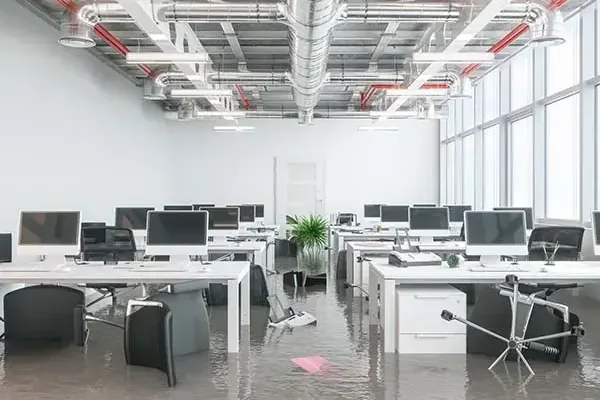
Water Extraction and Removal
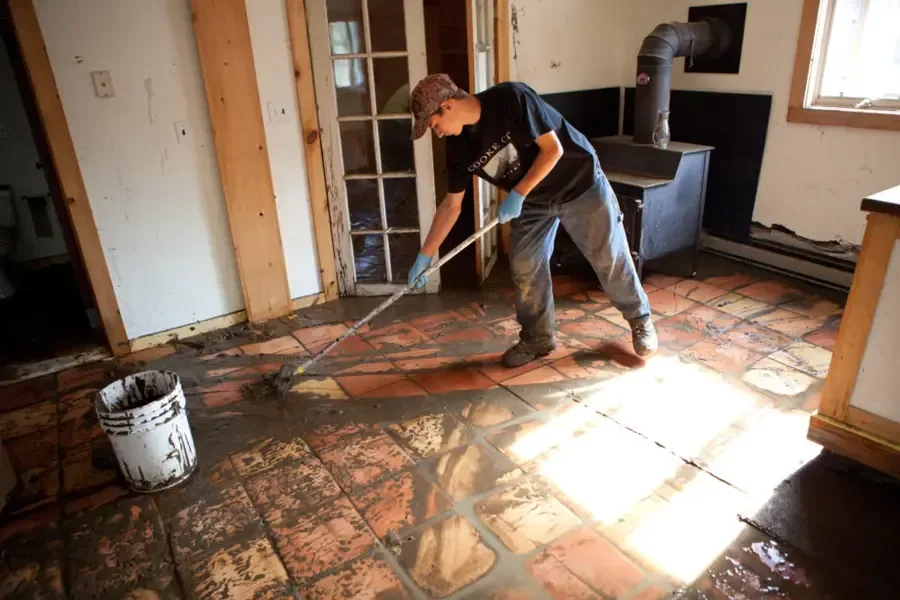
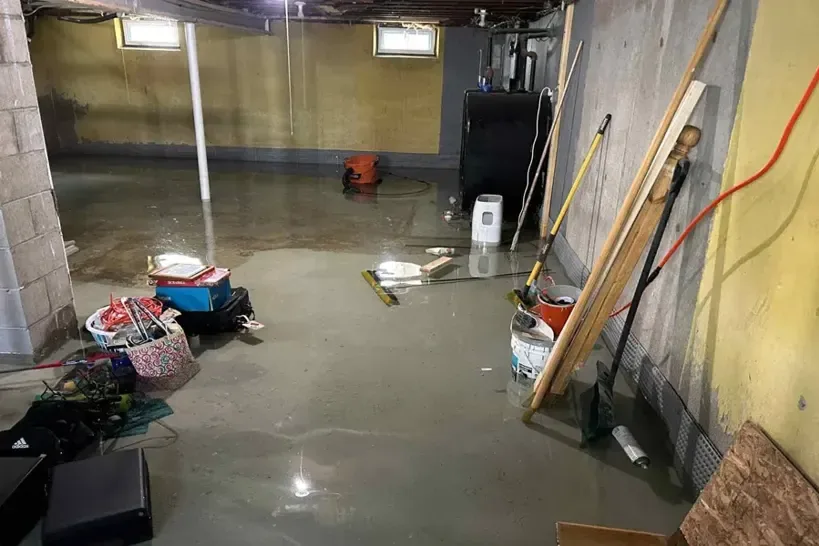
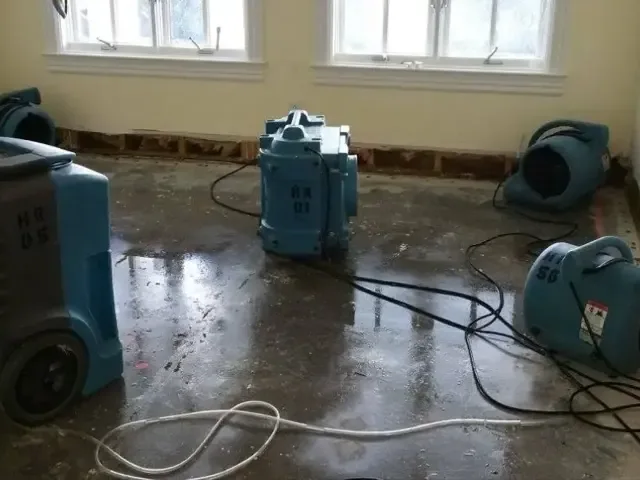
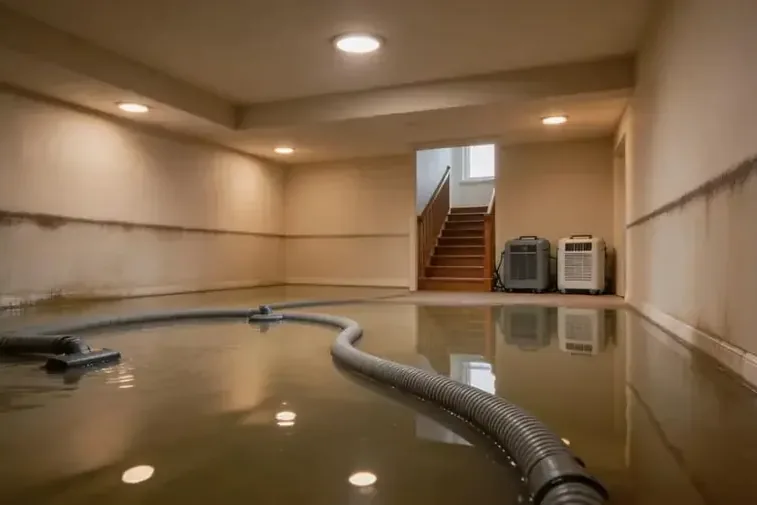
Pumps and wands lift standing water off each wet floor before it drops to the units below.
See how it is handled ›A split pipe in one unit, a wet lower level, a sewage backup or a ceiling dripping into the apartment below: crews pull the water out, dry the building to a measured target and keep a full record for the insurer.
One wet unit can soak the ones below, so crews contain the spread first, then extract and dry with logged readings.
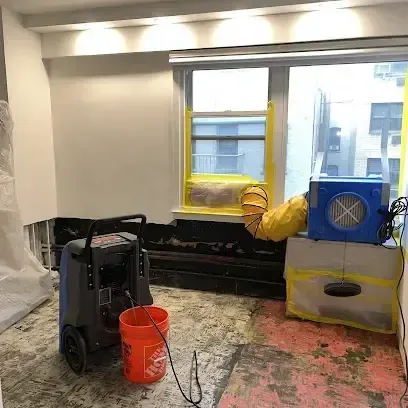
Mission Hill is a primarily residential Boston neighborhood known for brick row houses and Queen Anne triple-deckers that went up by the 1890s on small lots. With households stacked three high, one failed hose or pipe rarely stays inside the unit where it started.
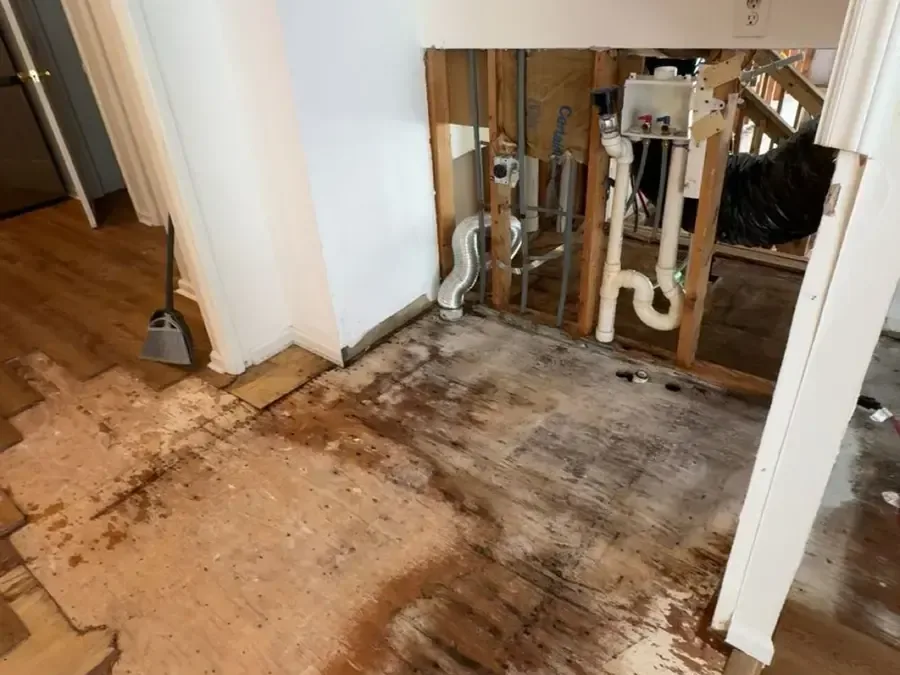
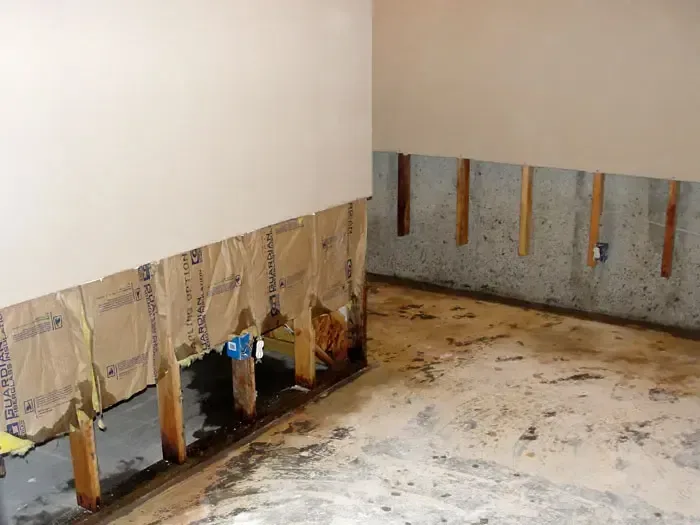
The drying team treats each affected unit as part of one job: tracing the source, running water extraction on every wet floor, then drying plaster, framing and subfloors until the readings are back to normal.
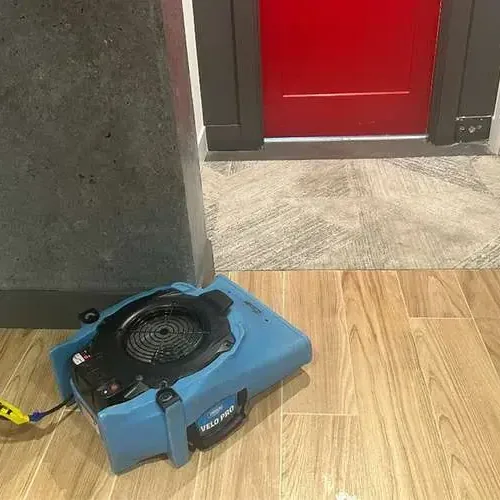
From a split hose in an upper unit to groundwater in a lower level, each kind of loss calls for its own steps, tools and cost range.
Pumps and wands lift standing water off each wet floor before it drops to the units below.
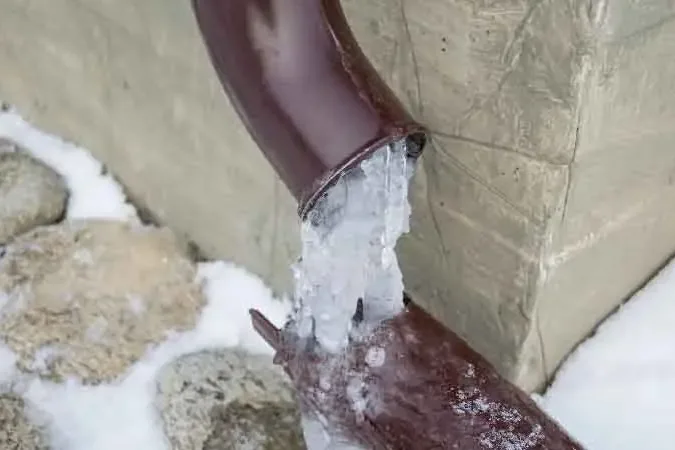
See how it is handled ›A pipe split by hard cold floods the wall and floor beside it when the ice thaws.
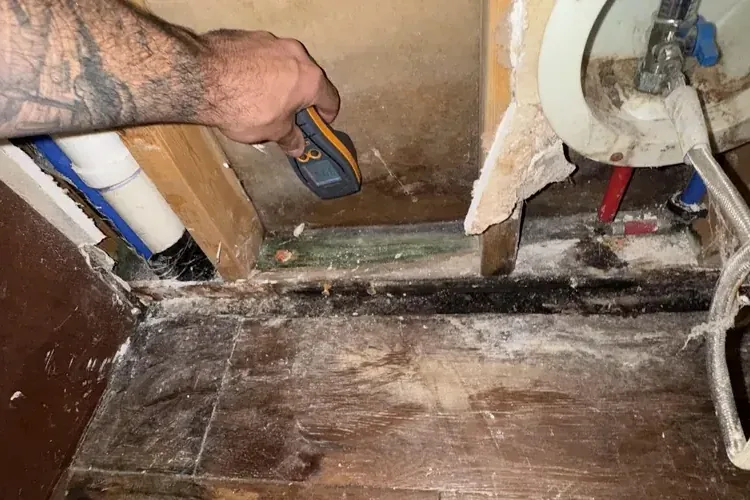
See how it is handled ›A burst pipe in a triple-decker can reach every unit below, so each wet floor is traced.
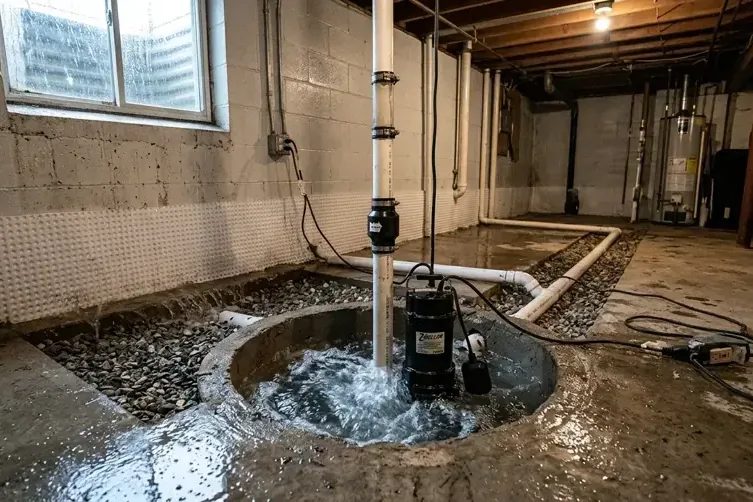
See how it is handled ›Groundwater or storm water in a lower level is pumped out, then floors and walls are dried.
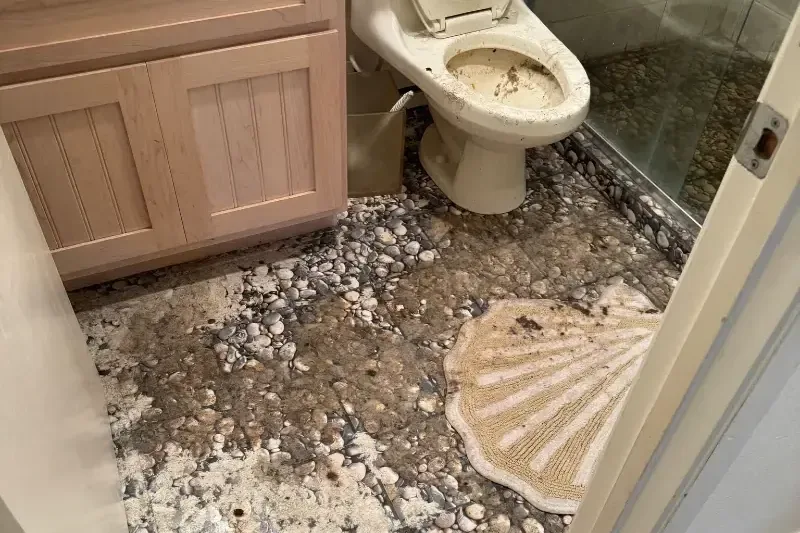
See how it is handled ›Wastewater is contained, removed and sanitized with protective gear, and soaked porous materials come out.
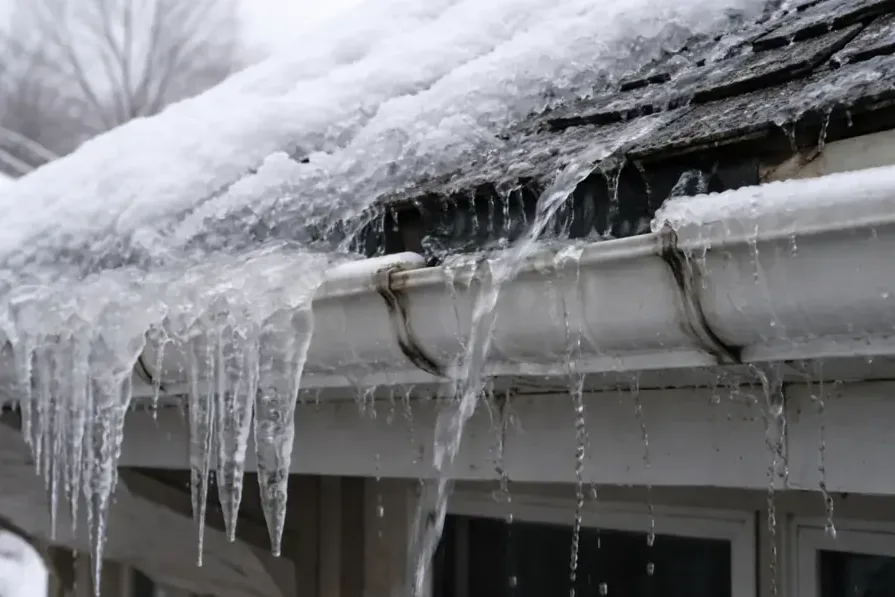
See how it is handled ›Ice at the roof edge forces meltwater under shingles and into ceilings and walls.
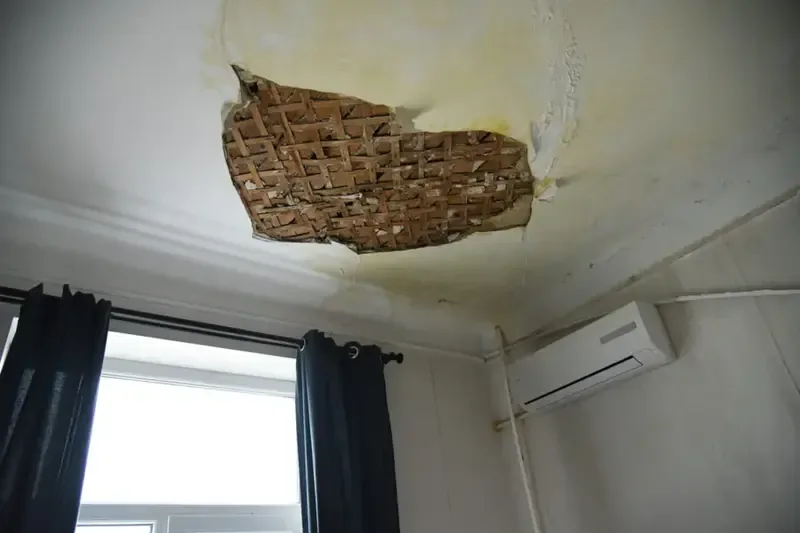
See how it is handled ›A stained or sagging ceiling often traces back to a bath or supply pipe in the unit above.
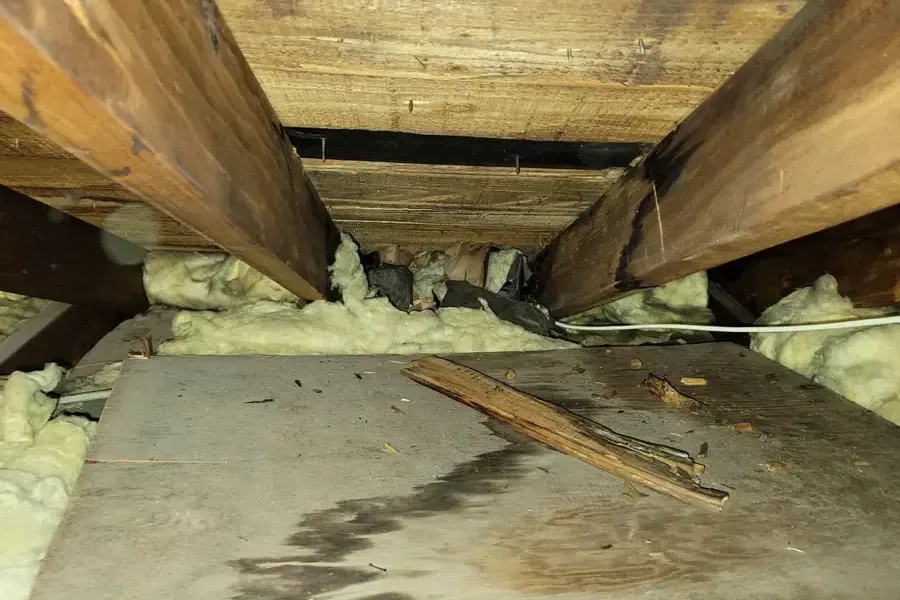
See how it is handled ›Water reaching attic boards and insulation is traced to the opening, then the wet framing is dried.
See how it is handled ›Heavy rain and runoff in a lower level are pumped out and debris is cleared before drying.
See how it is handled ›When a pump stops mid-downpour, the pit overflows and the crew clears and dries the lower level.
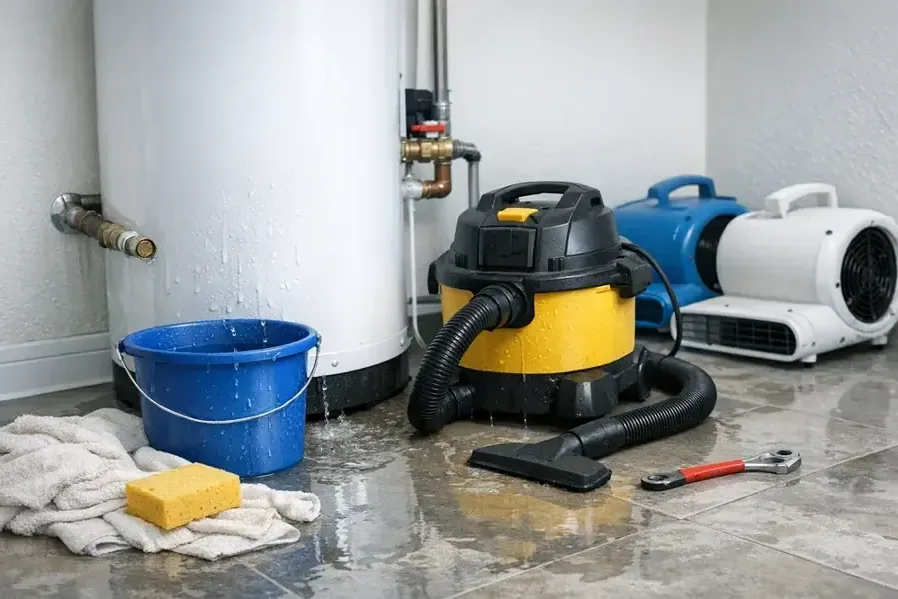
See how it is handled ›A leaking tank soaks the floor and walls around it, and some buildings hold several heaters.
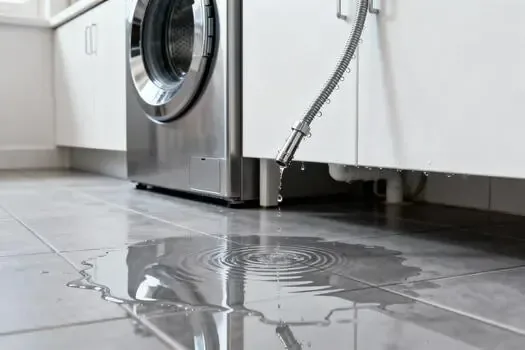
See how it is handled ›Washer hoses, dishwasher supplies and ice maker fittings leak into cabinets, floors and the unit below.
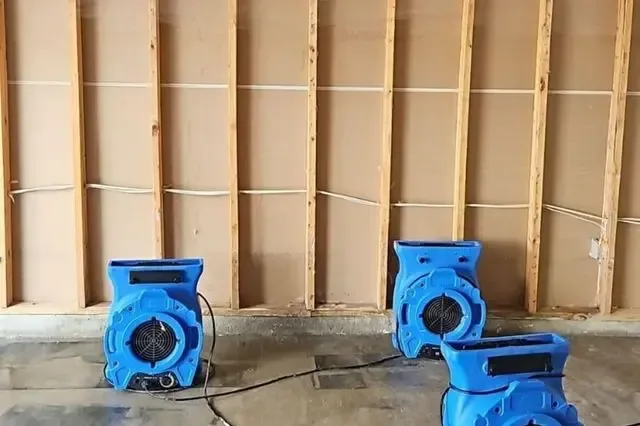
See how it is handled ›Air movers and dehumidifiers dry plaster, framing and old masonry, with readings logged each visit.
See how it is handled ›Shops, restaurants, offices and converted lofts are dried with minimal disruption to the rest of the building.
See how it is handled ›A typical range from the size of the wet area, the water category and how long it sat.
Rough drying days by material, from plaster walls to oak floors and basement concrete.
How exposed the pipes in a porch, crawl space or outside wall are when a hard freeze arrives.
The IICRC S500 standard sets how water damage is assessed, extracted and dried, and every job follows it closely, with readings recorded from the first visit to the final check in each room.
Water damage here is rarely a one-room problem, so the work is planned around how triple-deckers, row houses and small commercial blocks are actually put together.
The crew checks floors above and below every leak, since moisture follows framing, plaster and shared walls between apartments.
Plaster, old subfloors and quarry-stone foundations dry differently from new drywall, so equipment is set for the material in front of it.
Landlords, tenants and condominium owners each get clear notes on what was wet, what came out and what happens next.
Photos, readings and a written scope are kept for the adjuster, whatever the policy ends up covering.
A claim moves more smoothly when the loss is recorded early. The drying team documents the damage as found, the work performed and the readings showing when each area reached dry.
Close the shutoff valve if it is safe, then photograph the damage and the source before anything is moved. Keep damaged items until the adjuster has seen them.
Note when the loss started, and tell the building owner or condominium association promptly if water crossed into a neighboring unit.
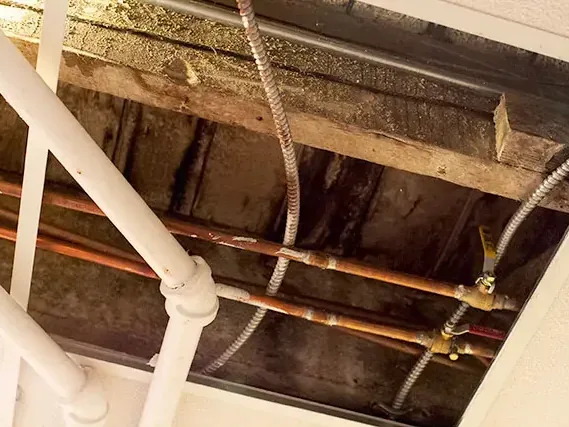
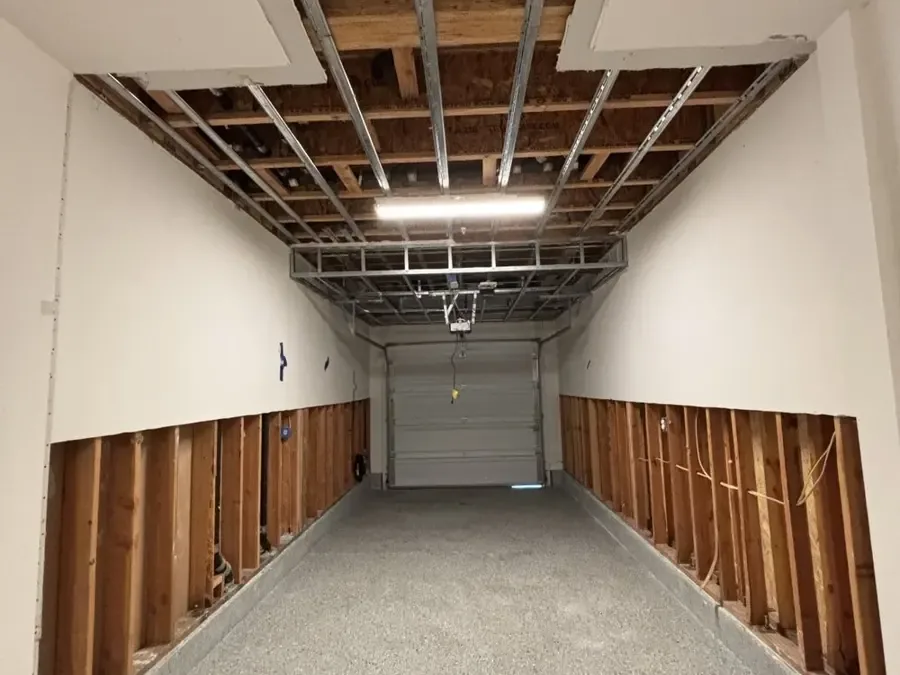
Dense blocks, shared walls and late-19th-century construction shape how water behaves here. The notes below cover the buildings themselves, the buried storm drainage beneath the neighborhood's streets and the regional weather that tests both of them.
1887 to 1889 The Commissioner's Channel, among the largest storm sewers in the country, was built from Roxbury Crossing to Huntington Avenue, largely under Parker Street.
These three losses most often cross from one unit into another in dense older housing, and each calls for a different first move.
A pipe cracked inside a cold wall or an unheated hallway releases its water when the ice thaws, often long after the cold snap has passed.
Read about frozen pipes ›A washer hose, dishwasher supply or ice maker fitting can drip for days inside a cabinet or wall before a stain shows in the unit below.
See appliance leak steps ›Wastewater returning through a floor drain or tub is contaminated, so the crew isolates the area, then extracts and sanitizes in protective gear.
Read about sewage cleanup ›Cost follows how much water there is, how many floors it reached and which materials got wet. Small, caught-early jobs sit near the low end, while multi-unit spread or sewage pushes toward the top.
Final cost follows the readings, not a guess made over the phone. The adjuster decides what the policy covers, and the crew's records show what was done and why.
The restoration team works along Tremont Street and Huntington Avenue, around Brigham Circle and Parker Hill, through Calumet Square and the Triangle district, and in the blocks near Roxbury Crossing station.
Triple-deckers, row houses, converted brewery lofts and small shops are all part of the work, from quiet side streets to the busy avenues.
Email for non-urgent questions: [email protected]
(888) 480-6221Browse every service areaWater follows gravity and framing. In a stacked building it can pass through floor cavities, light fixtures and shared walls into the units below, so the source is stopped first and every unit is checked.
The crew documents the damage in the wet unit and traces the source. Responsibility between tenants, owners and condominium associations depends on leases, bylaws and policies, so a written record matters.
Pumps and wands remove standing water, then soaked padding and other ruined materials come out so air movers and dehumidifiers can work on the structure instead of fighting pooled water.
Most jobs need several days, and plaster, masonry or soaked insulation can need longer. Readings are logged on each visit, and equipment stays in place until materials reach their dry target.
Yes. Sewage carries bacteria, so porous materials it touched usually come out, hard surfaces are cleaned and sanitized, and the crew wears protective gear. Sewage backup cleanup follows its own plan.
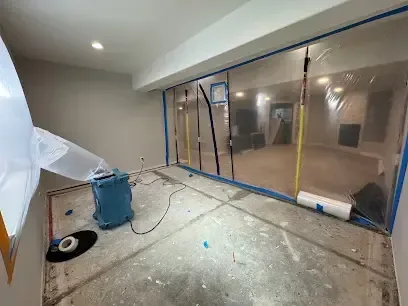
Yes. Small restaurants, shops, offices and converted lofts are handled with a plan that contains the wet area so the rest of the building can stay in use.
The Stony Brook conduit is part of the area's storm drainage, but water in a lower level can come from pipes, drains, groundwater or runoff. The crew traces the actual source before drying begins.
The source, each wet room, damaged contents and the height of the water on walls, all taken before cleanup. The crew adds dated photos and readings during the work.
Yes. Emergency steps such as extraction and removing hazardous wet materials are normally done promptly to limit damage, with photos and notes kept so the adjuster can see what was found.
The City of Boston Flood Info page on Boston.gov links to flood maps and a BWSC inundation model, and flooding can be reported by calling 311 or submitting a service request.
Closing the shutoff valve and taking photos helps, but active water in a building keeps moving. Call the crew and warn the neighbors below.
(888) 480-6221Call the crew nowMission Hill and southwest Boston
Suffolk County, MA
Dispatch 24 / 7 / 365
Call at any hour and the crew begins by stopping the spread, then moves to extraction, drying and a documented file.
(888) 480-6221Talk through the drying plan