Structural Drying and Dehumidification in Dorchester, MA
Once the standing water is gone, moisture stays in framing, subfloors and plaster. The drying team places air movers and dehumidifiers from moisture readings and keeps them running until the structure matches a dry reference.
(888) 480-6221Dorchester structural drying help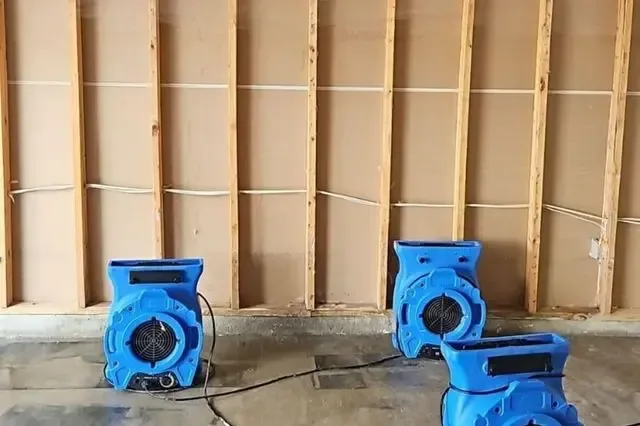
First steps for structural drying and dehumidification in Dorchester
- Set the baseline. Meters read a dry area of each material to learn the target.
- Place the equipment. Air movers and dehumidifiers are positioned from the wet readings.
- Adjust each visit. Readings are logged and equipment is moved as areas dry.
- Confirm and remove. Equipment leaves only after readings match the dry reference.
How structural drying and dehumidification is handled, start to finish
Measure
Baselines and wet readings are taken.
Place
Equipment goes where the readings point.
Adjust
Setups change as areas dry.
Confirm
Final numbers match the target.
Structural drying is the slow stage of water restoration, the part that pulls moisture out of framing, subfloors and plaster after the standing water is gone. Dorchester grew from about 12,000 people in 1870 to about 150,000 by 1920, so many buildings are older wood-frame structures with stacked floors, and the drying plan has to account for how moisture moves through them.
Why older buildings dry differently
Old framing, thick plaster and layered floors hold water longer than thin modern drywall. In stacked buildings moisture also moves down and sideways, so a wet ceiling can mean wet wall cavities and a damp floor frame a level away.
Wet framing and plaster stay wet long after the surface feels dry, so a drying plan is worth a call.
(888) 480-6221Ask about the drying planHow the drying is controlled
- Moisture meters set a baseline from a dry area of the same material
- Air movers push moving air across wet surfaces and into opened cavities
- Dehumidifiers pull moisture from the air so it does not settle somewhere else
- Readings are logged at each visit and equipment is moved as areas dry
Knowing when it is done
The job ends when readings match the dry reference, not when a surface looks dry. Equipment comes out then, and repairs begin on sound materials. Extraction comes first, as described in water extraction, and the structural drying service in Jamaica Plain follows the same method.
What does structural drying and dehumidification cost in Dorchester, MA?
Drying cost follows the number of rooms, the materials and the days of equipment time. Plaster and masonry take the longest, so they sit in the top band.
One room, Class 1 or 2
- Air movers
- Dehumidifier
- Readings logged
Several rooms
- Multiple air movers
- Larger dehumidifiers
- Daily visits
Plaster or masonry, Class 4
- Specialty drying
- Extended run time
- Detailed logs
Ranges, not a quote. Category of water, square footage, material class and how fast drying started move the number most. Run the water damage cost calculator for a closer range.
What separates a real dry-out from a fan and a mop
Dispatch at any hour
Active water is treated as urgent around the clock, and the extraction crew rolls with pumps, hoses and drying gear already on the truck.
IICRC S500 drying
Moisture is mapped first, then air movers and LGR dehumidifiers are sized to the class of loss, not guessed from the doorway.
A claim file built daily
Timestamped photos before demolition, daily psychrometric logs and a line-item scope go into the file an adjuster reviews.
Old-house know-how
Plaster and lath, older basements and stacked units in multi-family houses each dry differently, and the plan accounts for that.
Structural drying and dehumidification across Dorchester and nearby neighborhoods
Structural drying is available throughout the neighborhood, from older multi-story buildings around Uphams Corner and Fields Corner to residential streets near Ashmont Hill, Pope's Hill and Lower Mills.
The same service nearby: structural drying and dehumidification in Jamaica Plain, Mattapan, Roslindale.
Water damage restoration in Dorchester · every neighborhood covered
Related water damage services in Dorchester
Structural Drying and Dehumidification questions, answered
How many days does structural drying take?
Most jobs take several days, though plaster, thick framing and multiple floors can take longer. Readings, not the calendar, decide when the equipment leaves.
Why are dehumidifiers needed as well as fans?
Air movers lift moisture off surfaces, and dehumidifiers remove it from the air. Without both, it settles somewhere else.
What do the drying classes mean?
They describe how much water was absorbed and how hard it is to dry. Class 4 covers dense plaster and masonry.
Can walls be dried without opening them?
Sometimes small holes allow airflow into a cavity, but soaked insulation usually has to come out. Readings decide how much is opened.
Will the equipment be loud or in the way?
It runs continuously and makes noise. The crew places it to leave walkways and explains which rooms stay usable.
Still dealing with it?
Wet framing and plaster stay wet long after the surface feels dry, so a drying plan is worth a call.
(888) 480-6221Ask about the drying planWater gone but walls still damp? Dry the structure properly
The drying team sets equipment from moisture readings, adjusts it each visit and removes it only when the structure matches a dry reference.
(888) 480-6221Call about structural drying nowWhere crews work
Southwest Boston, Suffolk County
ZIP 02130 and nearby neighborhoods
Phone, 24/7
(888) 480-6221Hours
Dispatch 24 / 7 / 365