Water Extraction and Removal in Dorchester, MA
Standing water does the most harm early, soaking into subfloors, plaster and framing. The extraction crew pumps it out of every affected floor before it spreads, then hands off to the drying equipment.
(888) 480-6221Call the extraction crew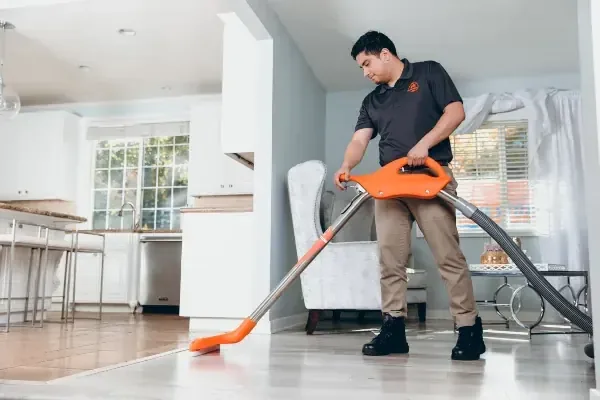
First steps for water extraction and removal in Dorchester
- Find the water. The crew traces wet ceilings, floors and walls to learn how far the water traveled.
- Set the pumps. Portable pumps and wands clear standing water from each affected level in turn.
- Pull wet materials. Soaked pad, insulation and loose drywall come out so they stop holding water.
- Map what is left. Meters show where moisture remains, and the drying plan is built from those readings.
How water extraction and removal is handled, start to finish
Assess
A walk through every floor notes where water entered and where it traveled.
Extract
Pumps and wands remove the liquid water level by level.
Remove
Materials that cannot dry in place are cut out and bagged.
Hand off
Moisture readings go to the drying team to plan the equipment.
Dorchester mixes single-family homes, two-family houses, three-family buildings and condo units, and many of its triple-deckers are wood-frame. In those stacked layouts standing water seldom stays put: it follows joists, drops through openings and collects against walls, so the first job is finding everywhere it went.
Extraction plans that cover each floor
In a triple-decker, water pooled in a first-floor kitchen may have started in the unit above. The extraction crew checks every level that shows wet ceilings, damp walls or soft floors, then sets pumps and wands floor by floor, so one unit is not cleared while the next stays soaked.
Standing water spreads through wood and plaster quickly, so a wet floor is worth a call right away.
(888) 480-6221Ask the pump crewWhat gets removed and how it is done
- Standing water is pumped from floors and low points with portable pumps
- Wands pull water out of carpet, pad and hard floors that still hold moisture
- Wet insulation and sagging drywall are cut out when they cannot dry in place
- Remaining moisture is mapped so the drying team knows where to set equipment
Why early removal matters
Wet wood and drywall begin to turn within a day or two, which is when mold becomes a worry. Pulling the bulk of the water out early keeps the drying period shorter. For the next stage, see structural drying, or compare the water extraction service in Jamaica Plain.
What does water extraction and removal cost in Dorchester, MA?
Extraction alone costs less than a full dry-out, and the range depends on how much water stood and how many floors it touched. Most single-room jobs land in the first band, while a full basement or floor sits higher.
Extraction only, one room
- Pumps and wands
- Pad removal
- Readings taken
Room or two, with drying
- Extraction
- Air movers
- Dehumidifier
Basement or full floor
- Large pump setup
- Wet material removal
- Daily checks
Ranges, not a quote. Category of water, square footage, material class and how fast drying started move the number most. Run the water damage cost calculator for a closer range.
What separates a real dry-out from a fan and a mop
Dispatch at any hour
Active water is treated as urgent around the clock, and the extraction crew rolls with pumps, hoses and drying gear already on the truck.
IICRC S500 drying
Moisture is mapped first, then air movers and LGR dehumidifiers are sized to the class of loss, not guessed from the doorway.
A claim file built daily
Timestamped photos before demolition, daily psychrometric logs and a line-item scope go into the file an adjuster reviews.
Old-house know-how
Plaster and lath, older basements and stacked units in multi-family houses each dry differently, and the plan accounts for that.
Water extraction and removal across Dorchester and nearby neighborhoods
Extraction crews work across the neighborhood, from the business streets at Fields Corner and Uphams Corner to the residential blocks around Ashmont, Savin Hill and Lower Mills, wherever standing water needs to come out.
The same service nearby: water extraction and removal in Jamaica Plain, Mattapan, Roslindale.
Water damage restoration in Dorchester · every neighborhood covered
Related water damage services in Dorchester
Water Extraction and Removal questions, answered
Is extraction the same as drying?
No. Extraction removes liquid water, while drying pulls out the moisture still held in wood, plaster and drywall. Both are needed, and extraction always comes first.
Can water from an upper unit be removed safely?
Yes. The crew starts where the water collected, checks the ceilings above it and works upward until the source and every wet level are accounted for.
What if the water is not clean?
Gray water or sewage changes the plan, adding protective gear, containment and removal of porous materials. See sewage backup cleanup for those steps.
Does carpet have to be thrown out?
Pad is usually removed. Carpet depends on the water source and how soon the water was extracted, and a contaminated source means it is discarded.
Will insurance cover extraction?
That depends on the policy and the cause. The crew records photos and moisture readings so the adjuster can review the loss.
Still dealing with it?
Standing water spreads through wood and plaster quickly, so a wet floor is worth a call right away.
(888) 480-6221Ask the pump crewStanding water needs to come out before it moves
The extraction crew pumps out each wet level, pulls soaked materials and passes the structure to the drying team.
(888) 480-6221Call for extractionWhere crews work
Southwest Boston, Suffolk County
ZIP 02130 and nearby neighborhoods
Phone, 24/7
(888) 480-6221Hours
Dispatch 24 / 7 / 365